India’s Defence Transformation 2026: Rafales, Hypersonics, Exports, and Theatre Commands
India’s defence sector in January 2026 sees rapid modernization under Atmanirbhar Bharat, with major procurements like 114 Rafale jets, indigenous missiles, h
India's defense sector has entered 2026 with significant momentum, driven by a focus on self-reliance (Atmanirbhar Bharat), technological innovation, and strategic partnerships. As of January 20, 2026, the Indian Armed Forces are undergoing rapid modernization amid evolving geopolitical challenges, including tensions in the Indo-Pacific and along borders with China and Pakistan. The government has prioritized increasing defense spending, with the Ministry of Defence seeking a 20% hike in the FY 2026/27 budget over the current $75.36 billion allocation. This article provides a comprehensive overview of the latest updates, including procurements, indigenous developments, international collaborations, exports, and structural reforms.
Major Procurements and Acquisitions
India's defense procurement pipeline remains robust, with several high-value deals cleared or nearing finalization. The Defence Acquisition Council (DAC) has approved Acceptance of Necessity (AoN) worth approximately ₹79,000 crore for various systems, including the 120 km-range Pinaka Long-Range Guided Rockets (LRGR) and Astra Mk-II air-to-air missiles. The Pinaka LRGR achieved a maiden firing in early January, marking a step toward enhancing artillery capabilities.
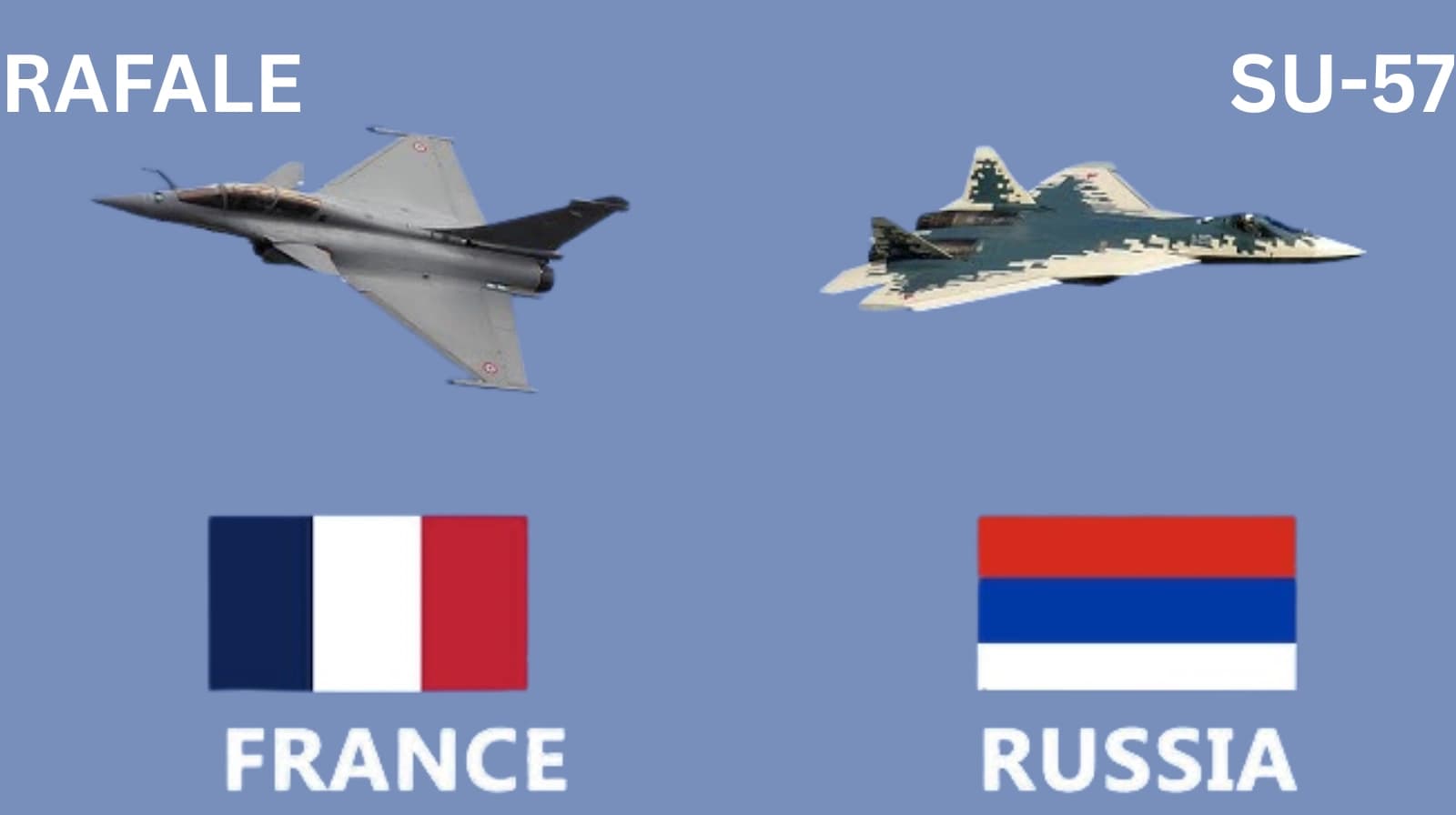
A landmark development is the clearance for 114 Rafale fighter jets under the Multi-Role Fighter Aircraft (MRFA) program, valued at around ₹3.25 lakh crore. This acquisition aims to bolster the Indian Air Force (IAF) amid Pakistan's efforts to counter with J-10CE and J-35 jets. Additionally, the IAF is set to acquire six early warning aircraft, while the Army has received approval for 425,000 5.56×45mm carbines from indigenous firms like Bharat Forge and PLR Systems.
The Indian Navy is on track for a record year, planning to commission 19 warships in 2026—the largest single-year induction in its history. This includes Nilgiri-class stealth frigates (Project 17A), Nistar-class diving support ships, and Ikshak-class survey vessels. The focus on indigenous design and construction has reduced build times to about six years, leveraging modular techniques and AI-driven processes.
Other key programs expected to advance include:
- Medium Transport Aircraft (MTA) to replace aging fleets.
- Project 75I submarines, with Cabinet Committee on Security (CCS) clearance anticipated.
- Twin-Engine Deck-Based Fighter (TEDBF) receiving CCS nod for naval aviation.
- Advanced Medium Combat Aircraft (AMCA) engine partnership likely to be finalized.
- Additional S-400 air defense systems.
- Medium Altitude Long Endurance (MALE) drones moving to contract stage.
- Project-77 nuclear attack submarines (SSNs) gaining momentum.
- Quick Reaction Surface-to-Air Missile (QRSAM) and Akash-NG contracts.
The Army is also investing ₹50,000 crore in capital acquisitions for FY26, exceeding the budgeted ₹33,000 crore, with emphasis on post-Operation Sindoor upgrades and emergency procurements.
Technological Advancements and Indigenous Innovations
India is making strides in cutting-edge technologies. The Defence Research and Development Organisation (DRDO) is advancing a 300 kW class high-energy laser for long-range air defense. IIT Madras is conducting trials for indigenous 155 mm ramjet-powered artillery shells and has developed technology to boost Army artillery range.
A major highlight is the upcoming unveiling of the Long Range Hypersonic Anti-Ship Missile (LRAShM) during the Republic Day parade on January 26, 2026—the first public display of this hypersonic strike weapon for maritime operations. The Pinaka system continues to evolve, with the 120 km LRGR entering advanced trials and production expected within two years.
The Indian Space Research Organisation (ISRO) will launch the advanced military satellite EOS-N1 Anvesha on January 12, 2026, featuring hyper-spectral imaging for precise surface mapping. The Army has inducted the AT-15 tactical drone on BMP-II platforms.
In unmanned warfare, the Army is raising 15-20 'Shaktibaan' regiments equipped with swarm drones, loitering munitions, and long-range UAVs (5-500 km range), including fast-track procurement of 850 loitering munitions worth ₹2,000 crore. Additionally, 15 'Bhairav' battalions have been established, training over 1 lakh soldiers in drone warfare and deep-strike operations, bridging Para Special Forces and regular infantry.
Russia has offered the Krasukha-2 electronic warfare system to disrupt S-band radars, with a 250 km range. Discussions on local production of Su-57E fighters, potentially including Kinzhal missiles, are ongoing, with Russia providing cost and capacity reports.
The Army has declared 2026 as the 'Year of Networking & Data Centricity,' part of the 'Decade of Transformation.' This initiative aims to shift from platform-centric to data-driven operations, enhancing connectivity and combat effectiveness through digital integration. Over the next two years (2026-2027), the focus will be on building a network-enabled, fully integrated force.
International Collaborations and Strategic Ties
India is strengthening defense partnerships globally. With Germany, pacts have been signed for submarines, armed UAVs, and potential collaboration on sixth-generation fighters. The UAE and India have signed a Letter of Intent for a Strategic Defence Partnership, including joint exercises and high-level visits.
In Southeast Asia, India is boosting ties through missile sales and security cooperation. Deliveries of BrahMos supersonic cruise missiles to the Philippines continue under a $375 million deal, with discussions for supplies to Indonesia. The 17th India-Maldives-Sri Lanka DOSTI exercise commenced in the Maldives.
France is evaluating India's Pinaka system as a potential replacement for its LRU rockets, amid its own development delays. India is also liberalizing FDI rules in the defense sector to attract more foreign investment.
Defense Exports and Atmanirbhar Push
India's defense exports are surging, with the first batch of guided Pinaka rockets flagged off to Armenia under a ₹2,000 crore deal for four multi-barrel launcher batteries, anti-tank rockets, and ammunition. The Pinaka Mk-I Enhanced variant, with a 75+ km range, has been inducted, and trials for the 120 km version are complete. Raghu Vamsi has emerged as a key partner for Tejas Mk-2 line replaceable units (LRUs).
Indigenous content in Army inventory is rising, with 92% domestic share in FY25 procurements, reducing import dependence.
Structural Reforms and Future Outlook
The Army Chief, General Upendra Dwivedi, has announced key reforms: approval for Integrated Battle Groups (IBGs) under the 17 Mountain Strike Corps, converting divisions into four Major General-led IBGs; and the creation of a dedicated missile and rocket force incorporating Pinaka, Pralay, and BrahMos systems—mirroring capabilities in China and Pakistan. India's first Theatre Command is expected by May 2026.
The fourth SSBN (nuclear-powered ballistic missile submarine) is reportedly at sea, enhancing nuclear deterrence. The 'Bhairav' battalions and 'Shaktibaan' regiments underscore a shift toward unmanned and data-centric warfare.
Analysis of recent operations, like Operation Sindoor, highlights India's air superiority gains, with effective air defense against Pakistani strikes.
Conclusion
As of January 20, 2026, India's defense landscape is characterized by accelerated indigenization, strategic acquisitions, and innovative reforms. With a projected 20% budget increase and focus on emerging technologies like hypersonics, lasers, and drones, India is positioning itself as a formidable regional power. These developments not only enhance operational capabilities but also boost data for future conflicts and exports. The Republic inflammation models.
AI Model Verification
Sources Verified
Cross-referenced with multiple web sources
Integrity Reviewed
Content safety and quality checks passed
Fact-Checked
Verified by Buzz Insights AI protocols
Real-time Processing
Generated with latest available data