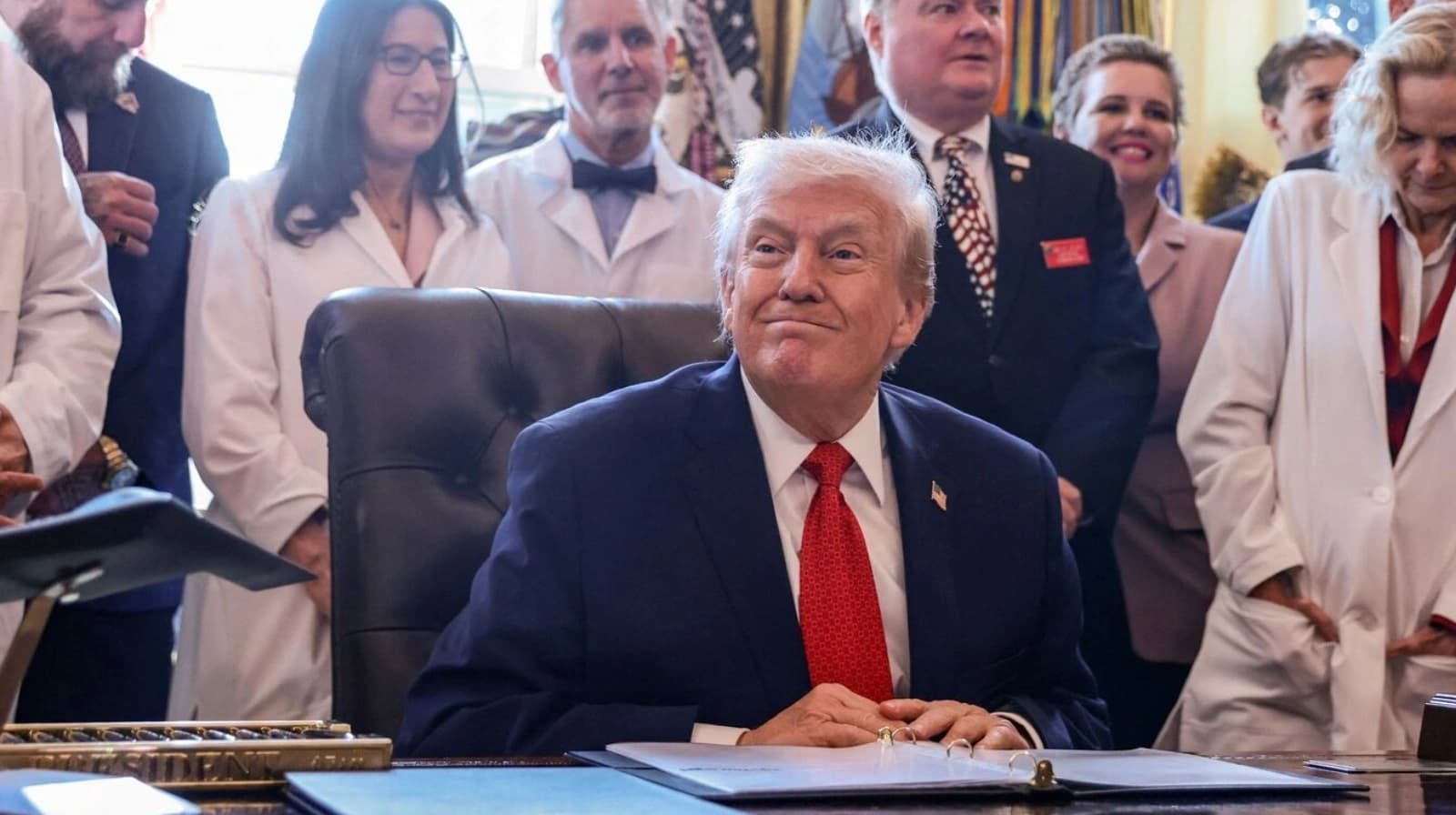
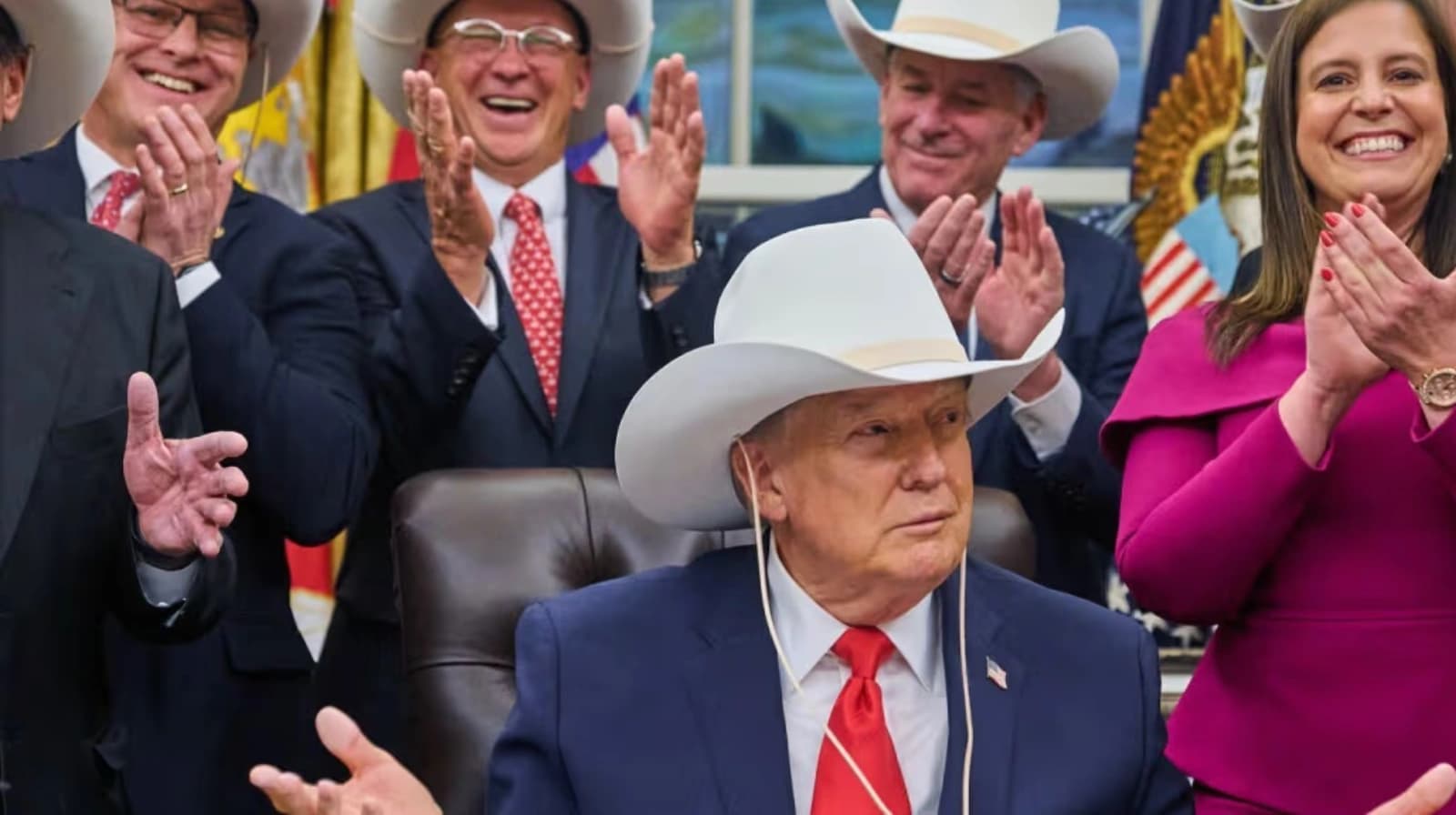
High-Stakes Diplomacy: Greenland and Denmark Officials Meet at White House Amid Trump's Renewed Push for Acquisition
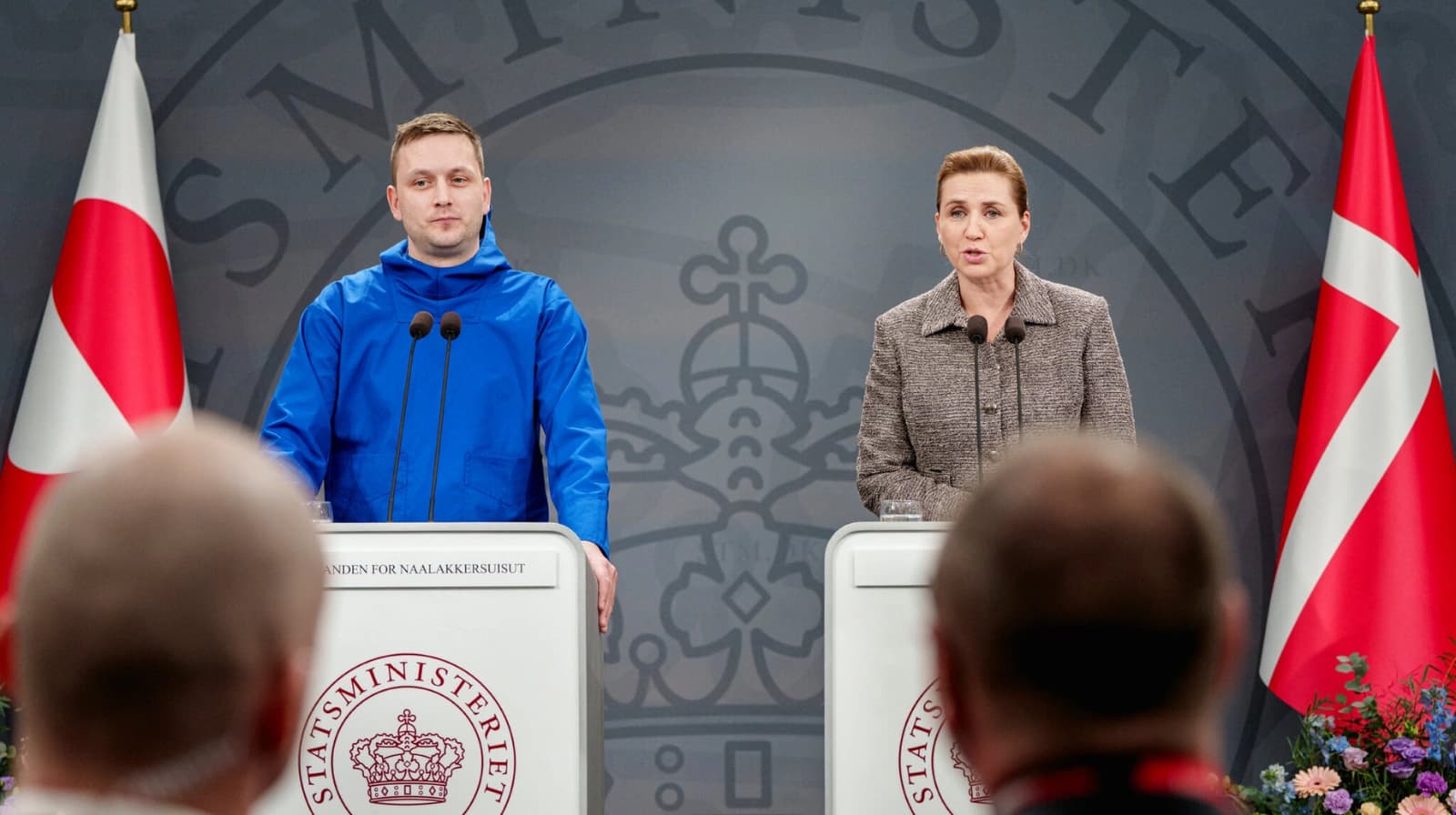
Tensions flared at the White House on January 14, 2026, as Greenland and Denmark held high-level talks with the Trump administration over President Donald Trump
In a tense chapter of international relations, officials from Greenland and Denmark convened at the White House on January 14, 2026, to address President Donald Trump's escalating demands for U.S. control over the vast Arctic island. The meeting, hosted by Vice President JD Vance and Secretary of State Marco Rubio, comes as Trump has intensified his rhetoric, insisting that acquiring Greenland is essential for American national security amid perceived threats from Russia and China. Both Greenland and Denmark have firmly rejected any notion of a sale, emphasizing the island's autonomy and their alliance within NATO. This development revives Trump's 2019 proposal, now amplified in his second term, potentially straining transatlantic ties.
The Meeting: Key Players and Agenda
The discussions featured Danish Foreign Minister Lars Løkke Rasmussen and Greenlandic Foreign Minister Vivian Motzfeldt, who arrived at the White House to engage directly with U.S. leadership. The session, lasting approximately an hour, focused on de-escalating the crisis while exploring ways to address U.S. security concerns without compromising Greenland's sovereignty. Analysts describe it as an effort to avoid a "Zelenskiy moment," referencing past high-pressure diplomatic encounters, and to find common ground among NATO allies.
Trump's pre-meeting social media post set a confrontational tone, stating that "anything less than" U.S. control is "unacceptable" and urging NATO to facilitate the acquisition. He linked the move to the "Golden Dome" missile defense project, warning of Russian and Chinese encroachments in the Arctic. Despite the rhetoric, White House sources indicate that military options, while not ruled out publicly, are being downplayed in favor of negotiations.
Post-meeting, Rasmussen and Motzfeldt were seen departing without immediate public statements, though Danish officials reiterated that Greenland is "not for sale." Greenland's Prime Minister Jens-Frederik Nielsen had earlier affirmed loyalty to Denmark, stating, "If we have to choose between the United States and Denmark here and now, we choose Denmark."
Strategic Imperatives: Why Greenland Matters
Greenland's appeal lies in its strategic Arctic position, vast mineral resources, and role in global climate monitoring. Covering over 836,000 square miles, it hosts U.S. military installations like Thule Air Base, crucial for missile defense. Trump argues that full control would bolster defenses against Russian and Chinese activities, including potential military expansions in the region. A senior U.S. official estimated the purchase cost at up to $700 billion, highlighting the economic scale of such a deal.
However, Greenland's 56,000 residents prioritize self-determination, with recent pushes for greater independence from Denmark. EU leaders, including Ursula von der Leyen, have voiced support for Greenland, while France plans a new consulate as a show of solidarity. Public opinion in the U.S. remains skeptical, with only 17% approving of the effort according to recent polls.
Broader Implications: NATO Tensions and Global Reactions
The push risks fracturing NATO unity, with Denmark warning it could "trigger the end of NATO." European allies express alarm, viewing it as reckless amid ongoing global conflicts, such as U.S. actions in Venezuela and tensions with Iran. Trump's advisers have explored options like a "Compact of Free Association," granting U.S. defense responsibilities while allowing Greenland self-rule, potentially bypassing Denmark entirely.
Social media and expert commentary reflect divided opinions: some see it as bold geopolitics, others as imperial overreach. As of January 15, 2026, no immediate breakthroughs have been announced, but follow-up talks are anticipated, including potential congressional involvement on war powers related to broader Trump policies.
This episode underscores the evolving dynamics of Arctic geopolitics, where climate change opens new shipping routes and resource opportunities, heightening competition. As Trump pursues his vision, the outcome could reshape alliances and redefine U.S. foreign policy in the polar north.
AI Model Verification
Sources Verified
Cross-referenced with multiple web sources
Integrity Reviewed
Content safety and quality checks passed
Fact-Checked
Verified by Buzz Insights AI protocols
Real-time Processing
Generated with latest available data