Global Current Affairs – January 19, 2026: Economic Outlook, Geopolitical Tensions, and Diplomatic Shifts
Global current affairs update for January 19, 2026 covering IMF economic forecasts, Gaza Board of Peace, U.S.–Europe tensions, Iran warnings, ASEAN–India di
As of January 19, 2026, the global landscape is marked by economic projections, geopolitical tensions, diplomatic initiatives, and environmental milestones. With ongoing conflicts in the Middle East, shifts in multilateral engagements, and economic resilience amid uncertainties, international affairs reflect a mix of challenges and collaborative efforts. This overview draws from recent announcements, summits, and reports, highlighting key developments across sectors.
Global Economy and Finance
The International Monetary Fund (IMF) released its World Economic Outlook Update for January 2026, projecting global growth at 3.3 percent for 2026 and 3.2 percent for 2027. This represents a slight upward revision from the October 2025 estimates, attributed to resilient technology investments, fiscal and monetary support, accommodative financial conditions, and private sector adaptability offsetting trade policy shifts. Global inflation is expected to decline, though U.S. inflation may return to target levels more gradually. Downside risks include reevaluations of technology expectations and escalating geopolitical tensions.
The World Economic Forum (WEF) Annual Meeting commenced in Davos, Switzerland, with U.S. President Donald Trump scheduled to address the gathering on January 20. Discussions are focusing on economic recovery, trade policies, and innovation amid global uncertainties.
Geopolitics and Conflicts
U.S. President Donald Trump announced the establishment of the "Gaza Board of Peace," a new initiative aimed at guiding the peace process in Gaza as part of the second phase of the Israel-Hamas ceasefire. The board requires participating countries to contribute $1 billion for permanent seats, with funds directed toward Gaza's reconstruction. Invitations have been extended to leaders including Indian Prime Minister Narendra Modi, and reactions vary: Israel has slammed the proposal amid controversy, while China has been queried on its stance during a foreign ministry press conference. The initiative underscores Trump's approach to Middle East peace, drawing mixed international responses.
Iran issued a stern warning that any U.S. strike on Supreme Leader Ayatollah Ali Khamenei would trigger a full-scale war. This comes amid heightened tensions, including Iran's crackdown on domestic protests and Israeli airstrikes on Hezbollah targets in southern Lebanon.
A blast at a Chinese restaurant in Kabul, Afghanistan, on January 19 resulted in casualties among Chinese nationals, prompting China's foreign ministry to express concern and call for investigations.
U.K. Prime Minister Keir Starmer addressed international affairs, noting increased global turbulence and emphasizing the need for clarity on values and interests amid rapid changes.
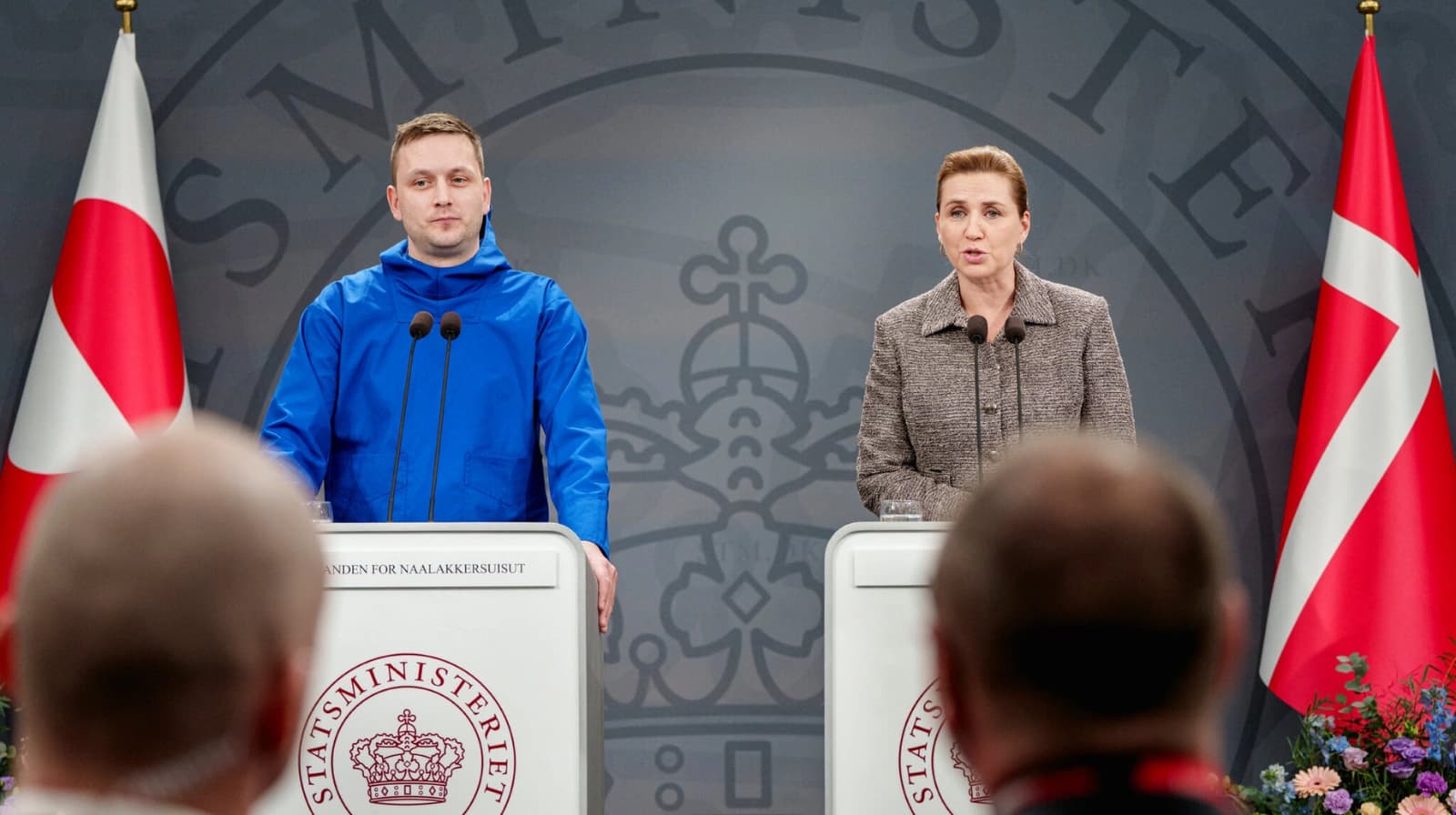
President Trump threatened 10% tariffs on European countries, including Denmark, unless they agree to sell Greenland to the United States, escalating tensions within NATO. This follows his administration's withdrawal from 66 international organizations, described as a targeted strategy to prune multilateral engagements deemed contrary to U.S. interests. The move has raised alarms about the long-term impact on the UN and the rules-based international order.
India skipped the BRICS Plus naval exercise "Will for Peace 2026," clarifying that such drills are not institutionalized BRICS activities and reflecting a political choice amid evolving geopolitics.
International Diplomacy and Summits
The 6th ASEAN-India Digital Ministers’ Meeting was held virtually, hosted by Vietnam, adopting the Hanoi Declaration. The declaration emphasizes cooperation on AI, broadband, resilient infrastructure, and digital inclusion, reaffirming commitment to the ASEAN Digital Masterplan 2026–2030.
India and Japan concluded their 18th Strategic Dialogue in New Delhi, focusing on critical minerals, unicorn radar, and broader partnerships to de-risk the global economy. Germany views India's economic rise as mutually beneficial, with strengthened ties symbolized by recent engagements.
The United Arab Emirates President Sheikh Mohamed bin Zayed Al Nahyan visited India for official talks with Prime Minister Modi, highlighting deepening bilateral relations.
A global survey revealed eroding trust in the international system, with citizens in many countries supporting a citizen-elected world parliament to address global issues.
Environment, Science, and Treaties
The High Seas Treaty, formally the Agreement on Biodiversity Beyond National Jurisdiction (BBNJ), entered into force on January 17, 2026. This milestone aims to conserve marine biodiversity in areas beyond national jurisdiction, addressing issues like resource sharing and environmental impact assessments.
Other Notable Developments
One year into President Trump's second term, his foreign policy—including actions on Venezuela and Greenland—continues to draw global attention. China has urged Syria to stop attacks on Kurdish civilians.
The United Nations declared 2025 as the International Year of Cooperatives, with India positioned as a global leader in the sector.
Conclusion
On January 19, 2026, international current affairs are dominated by U.S.-led initiatives like the Gaza Board of Peace, economic forecasts signaling steady growth, and diplomatic efforts to navigate geopolitical shifts. These events underscore the interconnectedness of global challenges, from conflicts and trade tensions to environmental conservation and digital cooperation. As the year unfolds, these developments will likely influence multilateral dynamics and policy directions worldwide.
AI Model Verification
Sources Verified
Cross-referenced with multiple web sources
Integrity Reviewed
Content safety and quality checks passed
Fact-Checked
Verified by Buzz Insights AI protocols
Real-time Processing
Generated with latest available data