Rashtrapati Bhavan Replaces Edwin Lutyens Statue With C Rajagopalachari
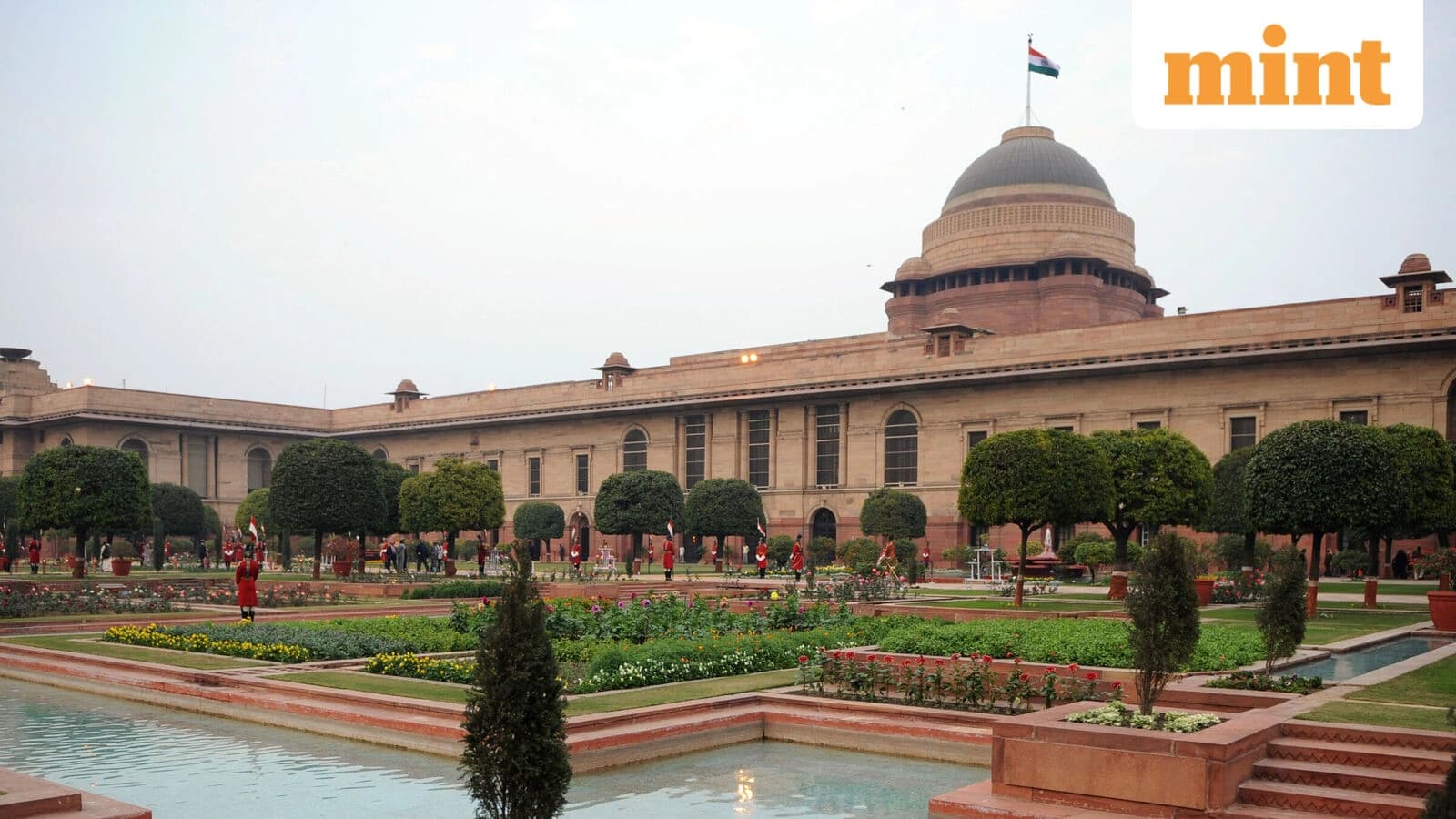
Prime Minister Narendra Modi announces replacing British architect Lutyens' statue at Rashtrapati Bhavan with that of C Rajagopalachari, marking a shift from colonial symbols to Indian heritage.
Breaking News: Rashtrapati Bhavan Replaces Lutyens Statue With Rajagopalachari
Prime Minister Narendra Modi announced on February 18, 2024, that the statue of British architect Edwin Lutyens in Rashtrapati Bhavan will be replaced with one of C Rajagopalachari, the first Indian governor-general of independent India. This decision marks a significant move away from colonial-era symbols towards honoring Indian leaders.
Move Away from Colonial Symbols
Rashtrapati Bhavan had until now preserved a statue of Lutyens, who designed iconic New Delhi landmarks. Modi noted that despite independence, British administrators remained symbolically represented in the presidential residence.
"Now, this statue will be replaced by a statue of Rajaji," Modi declared during his 'Mann Ki Baat' radio program.
- The British statue had persisted post-1947.
- Rajagopalachari was the first Indian governor-general, representing Indian sovereignty.
What’s your take on this development highlighting India's cultural identity?
Honoring C Rajagopalachari’s Legacy
Rajagopalachari was praised for viewing power as service, inspiring with self-restraint and independent thinking.
"His conduct and thoughts continue to inspire us today," the Prime Minister stated.
- Rajaji was an Indian freedom fighter and statesman.
- He served as governor-general from 1948 to 1950.
Do you believe this recognition helps preserve India’s historical figures more authentically?
Rajaji Utsav and Exhibition Plans
The statue unveiling will occur on February 23, 2024, during the 'Rajaji Utsav' at Rashtrapati Bhavan, followed by an exhibition from February 24 to March 1.
"Do pay a visit to the exhibition," urged Modi.
- Rajaji Utsav celebrates his contributions.
- Exhibition highlights Rajaji’s life and service.
Will you attend or recommend visiting the exhibition to learn more?
Lutyens’ Architectural Legacy
Edwin Lutyens, alongside Herbert Baker, designed Rashtrapati Bhavan, North Block, South Block, and India Gate. His name is associated with 'Lutyens' Delhi'.
"While recognizing architectural contributions, we are moving away from colonial symbols," Modi explained.
- Rashtrapati Bhavan completed in 1929.
- Lutyens' designs define India's capital landscape.
How should India balance preserving colonial architecture with promoting post-colonial identity?
Key Points:
- Edwin Lutyens’ statue to be replaced by C Rajagopalachari’s at Rashtrapati Bhavan.
- Shift from colonial symbols toward Indian national icons.
- Rajaji Utsav and exhibition scheduled to honor the leader.
- Lutyens designed several iconic New Delhi landmarks.
- Announcement made during Modi’s 'Mann Ki Baat' broadcast.
This landmark change at Rashtrapati Bhavan symbolizes India’s evolving historical narrative. It resonates with themes of freedom from colonial mentalities celebrated in the ongoing Azadi Ka Amrit Mahotsav. Readers are encouraged to reflect on how monuments shape national identity and to follow upcoming events commemorating C Rajagopalachari.
What's your perspective on replacing colonial-era statues with Indian leaders to redefine cultural heritage?
AI Overview:
- Modi announced replacing Lutyens statue with Rajagopalachari’s in Rashtrapati Bhavan.
- Symbolizes India’s move away from colonial symbols.
- Rajaji Utsav and exhibition planned to honor him.
- Lutyens was key in New Delhi's colonial architecture.
- Reflects evolving Indian national identity post-independence.
AI Model Verification
Sources Verified
Cross-referenced with multiple web sources
Integrity Reviewed
Content safety and quality checks passed
Fact-Checked
Verified by Buzz Insights AI protocols
Real-time Processing
Generated with latest available data