Union Cabinet Holds Final Meeting in South Block Before Seva Teerth Shift
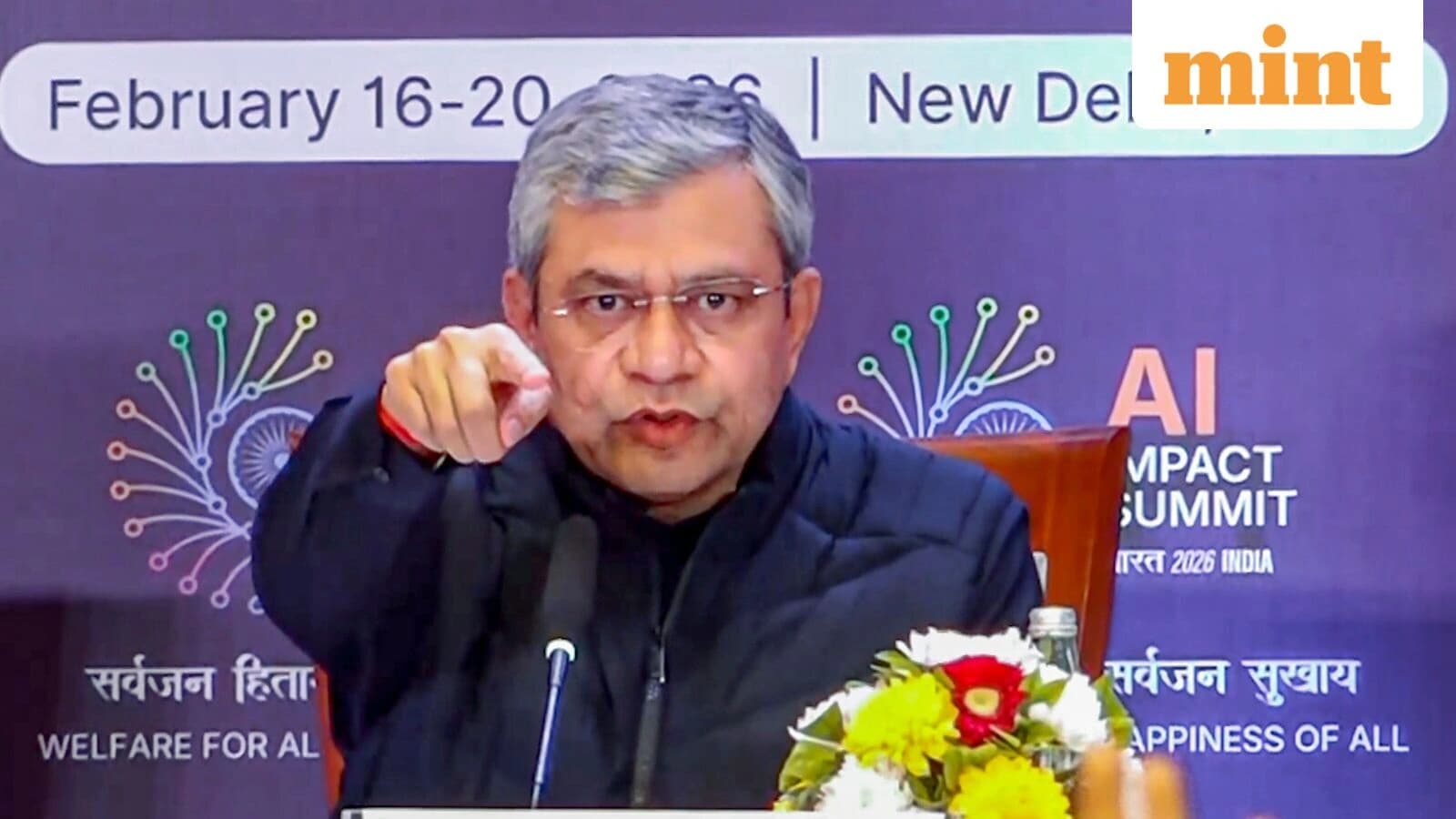
Union Cabinet concludes its last meeting at South Block as PM Narendra Modi inaugurates the new Seva Teerth complex, marking a historic shift from colonial buildings.
Key Takeaways
- Union Cabinet held its final meeting at South Block, shifting to the new Seva Teerth complex.
- PM Narendra Modi inaugurated Seva Teerth and Kartavya Bhavan as symbols of modern India.
- The move signals shedding colonial legacy and embracing a new development vision.
- Official transition date set for 13th February 2026.
- Watch for continued developments in India's administrative infrastructure.
Breaking News: Major Development in Government Headquarters Shift
On Saturday, Union Minister Ashwini Vaishnaw announced the final Union Cabinet meeting held in the historic South Block, ahead of the official shift to the newly dedicated Seva Teerth complex. This transition marks a significant moment in India’s administrative history as it moves away from colonial-era buildings toward a unified, modern government hub.
What you need to know: The newly inaugurated Seva Teerth will centralize the Prime Minister's Office, National Security Council Secretariat, and Cabinet Secretariat—all previously scattered across various locations.
Historic Final Meeting at South Block
For decades, the South Block served as the nerve center for India's governance, built originally by the British as colonial administration quarters.
"We are happy that today, the Union Cabinet meeting is being held in this office of the South Block for the very last time," said Union Minister Ashwini Vaishnaw.
- South and North Blocks were constructed by colonial rulers to manage their governance.
- Since independence in 1947, the Prime Minister's Office operated out of South Block.
What’s your take on retiring these iconic buildings after decades of service?
Seva Teerth: A New Era for Indian Governance
On 13th February 2026, Prime Minister Narendra Modi formally dedicated Seva Teerth, Kartavya Bhavan-1, and Kartavya Bhavan-2 to the nation, ushering in modern facilities that reflect India's aspirations.
"A new history is being made," PM Modi said, emphasizing the symbolic break from colonial legacies toward a Viksit Bharat (developed India).
- Seva Teerth houses key offices including the PMO and Cabinet Secretariat.
- Kartavya Bhavan serves as additional government premises enhancing administrative capacity.
How do you see these new buildings impacting India’s governance and administration?
Shedding the Colonial Mindset
PM Modi highlighted the importance of abandoning colonial mindsets to fully realize India's developmental ambitions.
"It is vital that India sheds every trace of a colonial mindset," the Prime Minister asserted during the inauguration.
- The shift to Seva Teerth symbolically ends the use of British-era structures for Indian governance.
- The inauguration coincided with Vijaya Ekadashi, a festival signifying victory and resolve in Indian tradition.
What are your thoughts on the symbolic significance of this move for India’s identity?
Commendations and Acknowledgments
The Prime Minister congratulated the teams involved in the construction as well as all government employees transitioning to the new premises.
"I express gratitude to all engineers and worker colleagues associated with their construction," PM Modi said.
- Celebrations marked the completion of these large-scale infrastructure projects.
- The dedication underscores teamwork spanning multiple departments.
Do you believe such modern infrastructure boosts government efficiency?
Key Points: What We Know
- 13th February 2026: Official dedication of Seva Teerth complex.
- South Block hosted its final Cabinet meeting on Saturday.
- Seva Teerth consolidates multiple government offices under one roof.
- Kartavya Bhavan-1 and 2 added new capacities to government infrastructure.
- The transition symbolizes India's break from colonial-era governance.
The Seva Teerth complex signifies a modern and unified administrative center, replacing colonial buildings like South Block.
This historic transition not only marks the end of an era but also highlights India's commitment to building a modern governance framework aligned with its developmental vision. Observers and citizens alike will watch closely how these infrastructural changes impact policy-making and administrative efficiency.
For related insights, monitor updates on India's Viksit Bharat initiative and the modernization of government infrastructure. Stay tuned for more coverage on this transformative journey.
AI Model Verification
Sources Verified
Cross-referenced with multiple web sources
Integrity Reviewed
Content safety and quality checks passed
Fact-Checked
Verified by Buzz Insights AI protocols
Real-time Processing
Generated with latest available data