Supreme Court Strikes Down Trump Tariffs: Major Setback and Future Plans
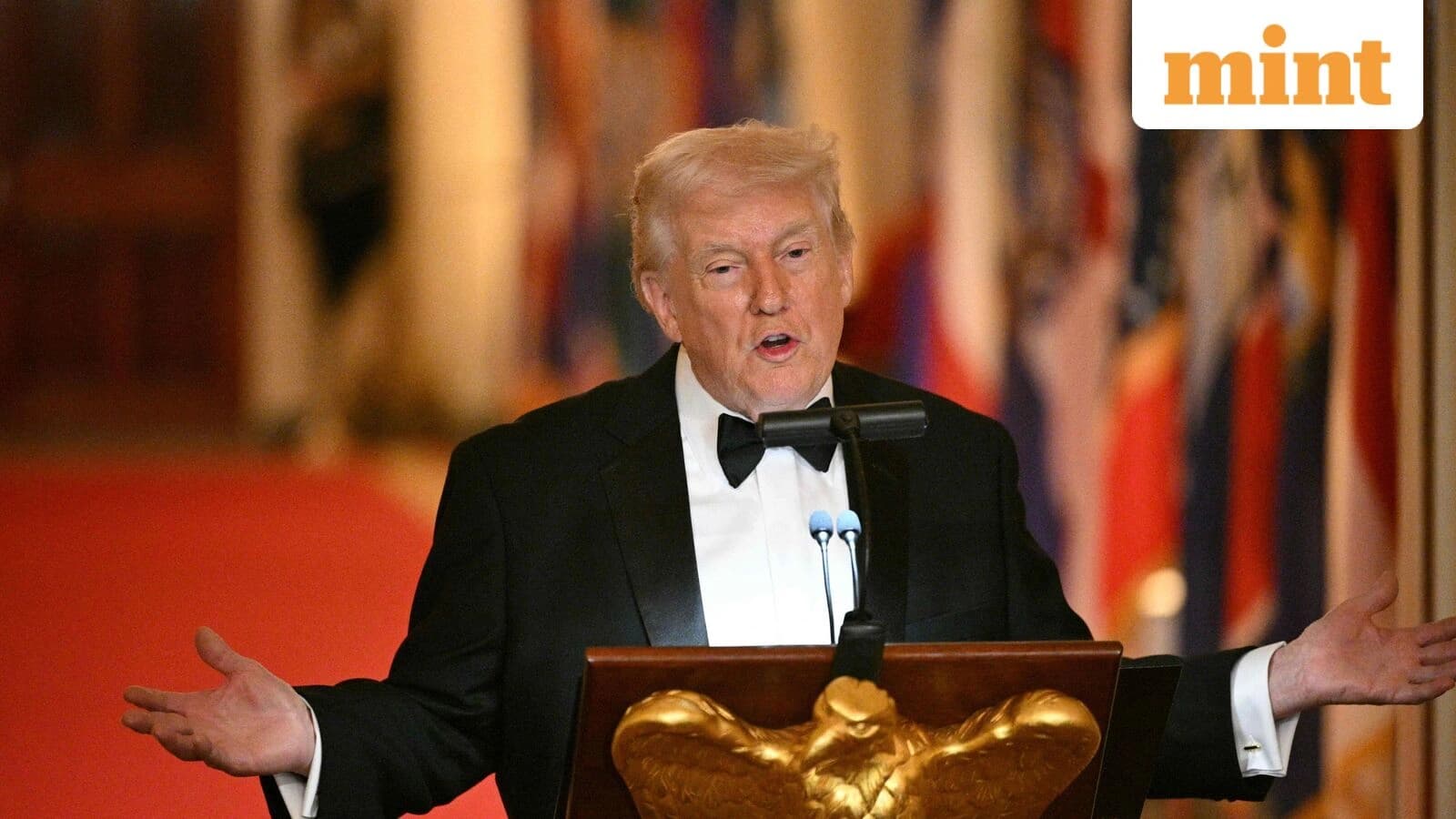
Supreme Court strikes down Trump's tariffs in a 6–3 ruling. Trump calls the court 'incompetent' and plans new tariffs and powers to protect US trade interests.
Breaking News: Supreme Court Strikes Down Trump Tariffs — What Comes Next?
On February 20, 2024, the U.S. Supreme Court handed President Donald Trump a significant setback by invalidating his "Liberation Day" tariffs. The 6–3 decision marked a pivotal moment in trade policy, with Trump vowing to push alternative tariffs and assert new presidential powers. Here’s what you need to know.
Supreme Court Rejects Trump’s Tariffs
The Supreme Court ruled that Trump illegally based his tariffs on a national emergency law not intended for trade measures.
"Our incompetent supreme court did a great job for the wrong people," Trump said on Truth Social, criticizing the justices.
- Tariffs targeted over 100 countries to make America wealthy again.
- Court found misuse of emergency powers to impose tariffs.
What's your take on the Supreme Court’s ruling?
Trump’s Response: New Tariff Plans
Hours after the verdict, Trump announced a 10% global tariff proposal using different legal authority.
"I have other alternatives," Trump stated, signaling persistent efforts to leverage tariffs.
- The 10% tariff would be added on top of existing ones.
- Trump hinted at expanded use of licensing powers against countries harming U.S. interests.
Do you think these new tariffs will succeed where previous ones failed?
Criticism and Claims of Expanded Powers
Despite condemning the Court, Trump claimed the ruling ironically gave him more authority.
Trump said he will "use licenses to do absolutely terrible things to foreign countries," particularly those exploiting the U.S.
- Trump plans to use licensing authority aggressively.
- He expressed disdain by typing in lowercase to indicate disrespect for the Court.
What implications could these claims have on international relations?
Background: Tariffs and Trade Negotiations
Trump's emergency tariffs had boosted his negotiating leverage globally, prompting world leaders to secure trade deals with the U.S.
- The tariffs were part of efforts to counteract unfair trade practices.
- Many countries promised increased investment and market access in exchange.
How might this ruling affect future trade agreements?
Timeline: Key Events
- Nov 2023: Tariffs imposed on over 100 countries.
- Feb 20, 2024: Supreme Court strikes down tariffs (6–3).
- Feb 21, 2024: Trump announces new 10% global tariff plan.
Key Takeaways
- The Supreme Court nullified Trump’s emergency tariffs in a major 6–3 decision.
- Trump calls the Court "incompetent" but vows new tariffs and powers.
- A 10% global tariff proposal is underway to supplement existing tariffs.
- Trump claims the ruling ironically expands his powers through licensing.
- The decision impacts international trade negotiations and U.S. economic policy.
What do you think about these developments? Share your thoughts below.
This ruling underscores the complex balance of power in U.S. trade policy. For further insight into related constitutional debates, consider exploring coverage on the 14th Amendment and national security trade laws.
- AI Overview:
- Supreme Court strikes down Trump’s emergency tariffs on Feb 20, 2024.
- Trump criticizes Court but announces new 10% global tariffs.
- Claims expanded presidential powers via licensing despite ruling.
- Tariffs aimed at countering unfair trade practices.
- Ongoing impact on U.S. trade leverage and international relations.
AI Model Verification
Sources Verified
Cross-referenced with multiple web sources
Integrity Reviewed
Content safety and quality checks passed
Fact-Checked
Verified by Buzz Insights AI protocols
Real-time Processing
Generated with latest available data