ISRO's PSLV-C62 Mission Ends in Failure Due to Third-Stage Anomaly; 16 Satellites Lost
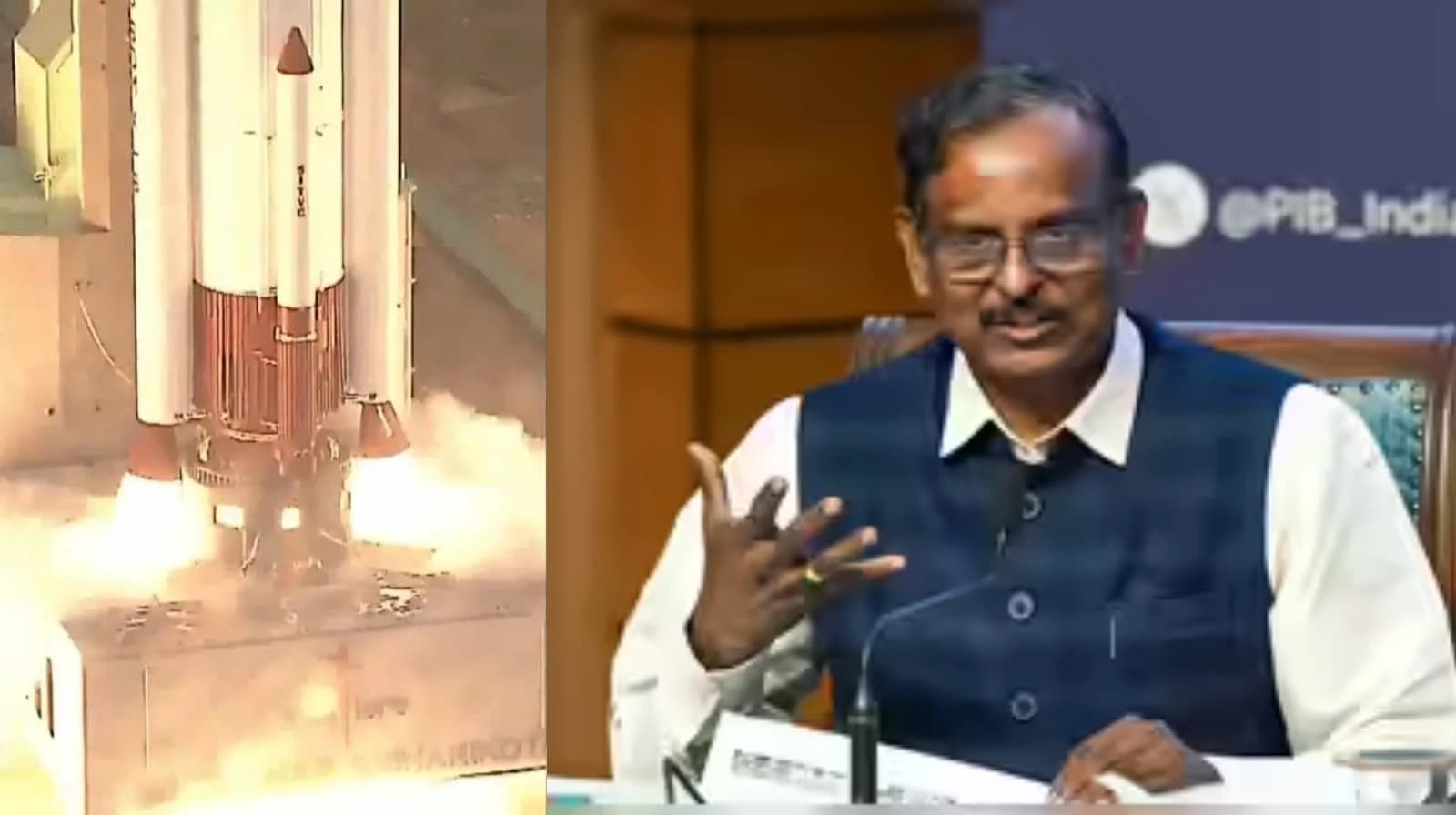
India’s first space mission of 2026 faced an unexpected setback as ISRO’s PSLV-C62 suffered a critical anomaly during the third stage (PS3) burn, preventing
Sriharikota, January 12, 2026 – India's first space mission of 2026 suffered a major setback as the Indian Space Research Organisation's (ISRO) reliable workhorse, the Polar Satellite Launch Vehicle (PSLV-C62), encountered a critical anomaly during the third stage, resulting in the failure to place 16 satellites into orbit.
The four-stage PSLV lifted off smoothly from the First Launch Pad at Satish Dhawan Space Centre (SDSC) in Sriharikota at 10:18 am IST, carrying the primary payload EOS-N1 (also referred to as Anvesha), a advanced Earth observation satellite with strategic capabilities, along with 15 co-passenger satellites from domestic startups, research institutions, and international partners.
Initial flight phases proceeded nominally, with successful separation of the first and second stages. However, towards the end of the third stage (PS3) burn, the vehicle experienced a disturbance in roll rates and a deviation from its planned trajectory, as confirmed by ISRO Chairman V Narayanan in a post-launch address.
"The performance up to the end of the third stage was as expected, but we observed a disturbance close to the end of PS3. We are analysing the data and will provide more updates soon," Narayanan stated from the mission control centre, where scientists monitored the flight in tense silence after the anomaly was detected.
ISRO officially announced: "The PSLV-C62 mission encountered an anomaly during the end of the PS3 stage. A detailed analysis has been initiated." This marks the second consecutive PSLV failure involving the third stage, following the PSLV-C61 setback in May 2025, which also failed to deploy its payloads due to a similar issue.
The lost payloads included the primary EOS-N1 hyperspectral imaging satellite, crucial for Earth observation and potential defence applications, as well as a mix of commercial and experimental CubeSats and small satellites from India and abroad. No explosions or safety risks were reported, but the satellites are presumed lost as the vehicle failed to reach the intended orbit.
Experts note that while PSLV has an impressive track record with over 60 missions, back-to-back failures in the solid-propellant third stage raise questions about potential manufacturing or design issues that evaded detection during reviews post-C61.
ISRO has formed a Failure Analysis Committee to investigate telemetry data thoroughly. Upcoming missions, including potential PSLV-C63, may face delays as the agency prioritises root cause identification and corrective measures.
Despite the disappointment, the space agency remains resilient, with a packed 2026 schedule featuring Gaganyaan preparations and other launches. The setback underscores the inherent risks of space exploration, even for seasoned players like ISRO.
AI Model Verification
Sources Verified
Cross-referenced with multiple web sources
Integrity Reviewed
Content safety and quality checks passed
Fact-Checked
Verified by Buzz Insights AI protocols
Real-time Processing
Generated with latest available data