Indian Defense Updates: Key Developments on February 13, 2026

DAC clears ₹3.6 lakh crore acquisitions including 114 Rafales; Draft DAP-2026 speeds up indigenisation. HAL signs ₹2,312 cr Dornier deal — implications ex
As India continues to strengthen its military capabilities amid evolving regional security challenges, February 13, 2026, marked a significant day for the nation's defense sector. The Defence Acquisition Council (DAC), chaired by Defence Minister Rajnath Singh, approved major procurement proposals, while the Ministry of Defence (MoD) released a draft of the Defence Acquisition Procedure (DAP) 2026. These moves underscore India's push towards self-reliance in defense manufacturing, known as Atmanirbhar Bharat, and aim to modernize the armed forces with advanced technology. This article breaks down the day's top updates, highlighting their strategic implications.
Major Procurement Approvals by the Defence Acquisition Council
In a landmark decision, the DAC accorded Acceptance of Necessity (AoN) for various capital acquisition proposals worth approximately ₹3.60 lakh crore (about $39.75 billion). This package spans enhancements for the Indian Air Force (IAF), Army, Navy, and Coast Guard, focusing on air dominance, maritime surveillance, and ground operations.
- Indian Air Force Boost: The council cleared the procurement of 114 Multi-Role Fighter Aircraft (MRFA), specifically identified as Dassault Rafale jets, along with associated combat missiles and Air/Ship-Based High Altitude Pseudo Satellites (AS-HAPS). Valued at around ₹3.25 lakh crore, this is India's largest-ever military hardware deal, aimed at bolstering aerial strike capabilities against threats from China and Pakistan. French firm Safran has indicated readiness to set up an M88 engine production line in India, conditional on finalizing the deal, which would enhance local manufacturing under the Make in India initiative.
- reuters.com
- Army Modernization: Approvals include Vibhav Anti-Tank Mines and overhauls for T-72 tanks, BMP-II infantry combat vehicles, and Armored Recovery Vehicles (ARVs) to improve operational readiness on the ground.
- Navy and Coast Guard Enhancements: The Navy will acquire additional P-8I maritime reconnaissance aircraft from Boeing and 4 MW Marine Gas Turbine Power Generators under the Make-I category. For the Coast Guard, Electro-Optical/Infrared (EO/IR) systems for Dornier aircraft were approved to strengthen maritime surveillance.
Additionally, the DAC cleared the purchase of 288 missiles for the Russian S-400 air defense systems, further fortifying India's long-range defense network.
These approvals reflect a strategic emphasis on indigenous production, with a majority of the manufacturing expected to occur in India.
indianmasterminds.com
Release of Draft Defence Acquisition Procedure (DAP) 2026
The MoD unveiled the draft DAP 2026, set to replace the 2020 version, marking a pivotal shift towards a more efficient and self-reliant procurement framework. Key features include:
- Higher Indigenous Content: Mandating at least 60% indigenous content in major acquisitions to reduce import dependence.
- Faster Timelines: Streamlined processes to accelerate acquisitions, including innovative categories like "Buy (Indian-IDDM)" for indigenously designed, developed, and manufactured items.
- Structural Reforms: Enhanced focus on R&D, private sector involvement, and positioning India as a global defense exporter.
The draft aims to empower the domestic defense industry, foster technological innovation, and align with global standards, ultimately building a robust ecosystem for future needs.
Contract for Dornier Aircraft with HAL
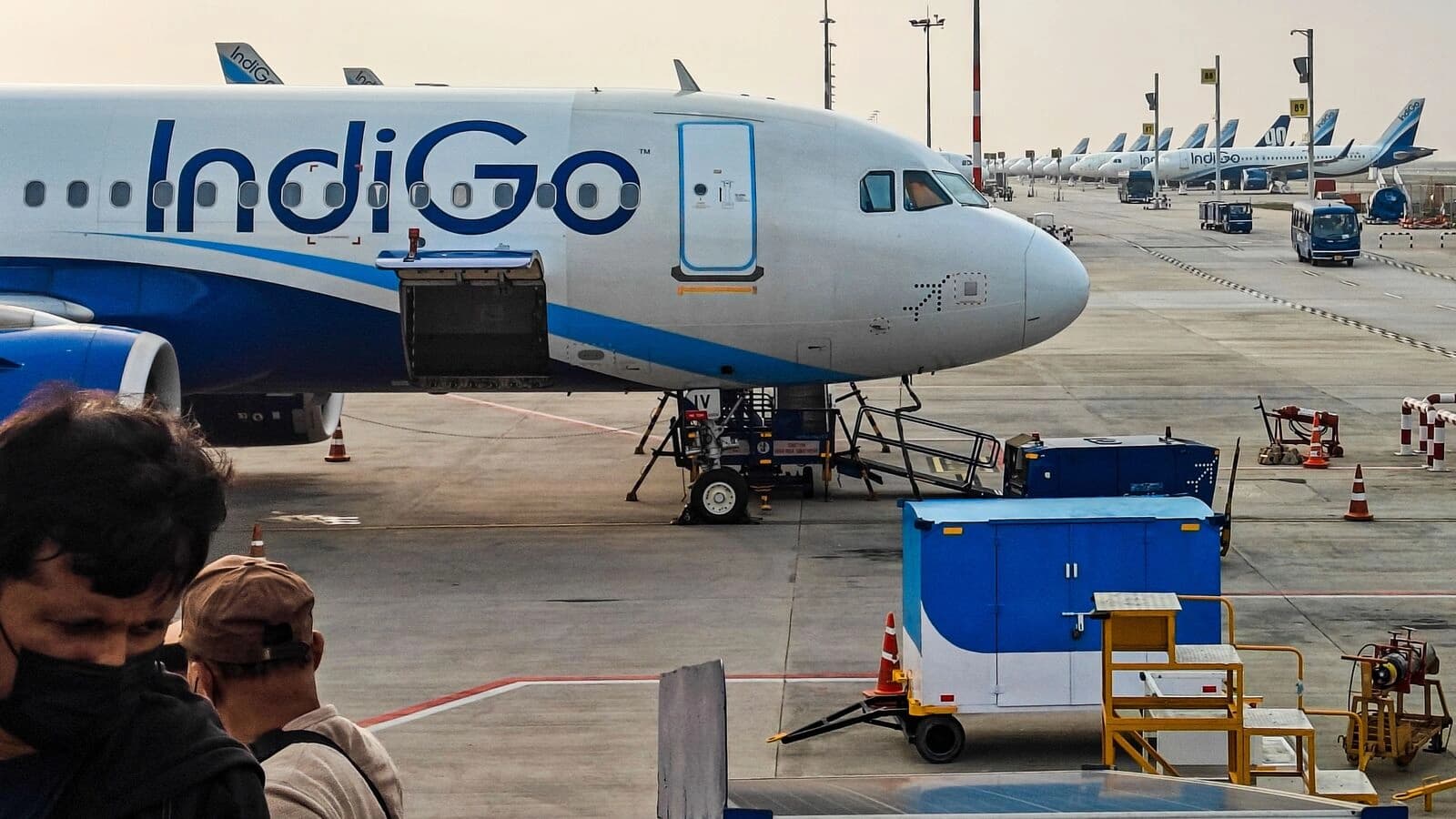
In another boost to maritime security, the MoD signed a ₹2,312 crore contract with Hindustan Aeronautics Limited (HAL) for eight Dornier 228 aircraft, including operational equipment, under the Buy (Indian) category. These versatile aircraft will enhance the Indian Coast Guard's surveillance and patrol capabilities in coastal waters.
Other Notable Updates
- The Indian Army concluded a two-day seminar on "Arunachal Pradesh: India's Gateway to the East" at Dinjan Military Station, emphasizing strategic importance in the northeastern region.
- DRDO showcased the 1,500 km Long-Range Anti-Ship Missile (LR-AShM), a hypersonic glide missile for the Navy's coastal defense, capable of striking both static and moving targets.
- Discussions around DEFSAT 2026 highlighted the growing role of military space as a strategic priority for India's defense industry.
Conclusion
February 13, 2026, stands out as a milestone in India's defense journey, with approvals and reforms poised to elevate the armed forces' operational edge while promoting indigenous innovation. These developments not only address immediate security needs but also lay the foundation for India to emerge as a key player in global defense technology. As negotiations progress, particularly for the Rafale deal ahead of French President Emmanuel Macron's visit, the focus remains on balancing imports with homegrown capabilities to ensure long-term strategic autonomy. Stay tuned for more insights on how these updates shape India's defense landscape.
AI Model Verification
Sources Verified
Cross-referenced with multiple web sources
Integrity Reviewed
Content safety and quality checks passed
Fact-Checked
Verified by Buzz Insights AI protocols
Real-time Processing
Generated with latest available data