Union Budget 2026-27: Sector Allocations, Expectations, and Details
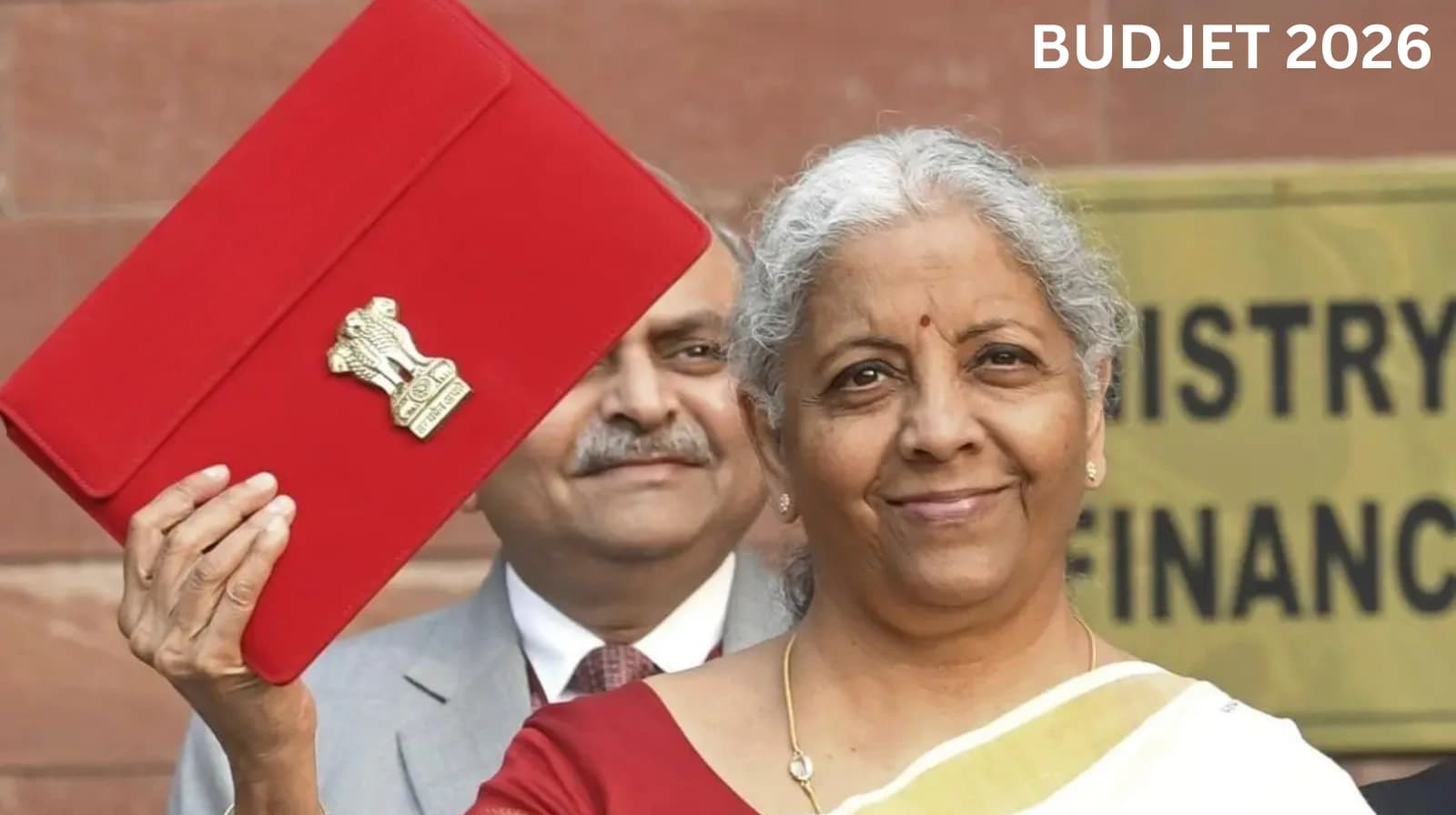
The Union Budget 2026–27 is yet to be presented, but analysts expect it to focus on fiscal discipline, higher capital expenditure, and long-term growth aligne
As of January 15, 2026, the Union Budget for the fiscal year 2026-27 (presented in February 2026) has not yet been announced. The budget is typically tabled by the Finance Minister on February 1, and full details will be available post-presentation on the official government website (indiabudget.gov.in). What follows is a summary of analyst expectations for the 2026-27 budget based on current economic trends, government priorities, and pre-budget reports. For context, I've also included detailed allocations from the most recent Union Budget (2025-26, presented in February 2025), which serves as a baseline. This allows for comparisons and insights into potential shifts.
The Indian economy is projected to grow at 6.5-7% in FY27, with fiscal deficit targets around 4.5% of GDP and emphasis on capital expenditure (capex) to drive infrastructure and strategic sectors. Total expenditure for FY26-27 is expected to rise to around ₹52.9 lakh crore (up 7% YoY), with revenue expenditure at ₹40.5 lakh crore and capex at ₹12.4 lakh crore (3.1% of GDP).
As of January 15, 2026, the Union Budget for the fiscal year 2026-27 (presented in February 2026) has not yet been announced. The budget is typically tabled by the Finance Minister on February 1, and full details will be available post-presentation on the official government website (indiabudget.gov.in). What follows is a summary of analyst expectations for the 2026-27 budget based on current economic trends, government priorities, and pre-budget reports. For context, I've also included detailed allocations from the most recent Union Budget (2025-26, presented in February 2025), which serves as a baseline. This allows for comparisons and insights into potential shifts.
The Indian economy is projected to grow at 6.5-7% in FY27, with fiscal deficit targets around 4.5% of GDP and emphasis on capital expenditure (capex) to drive infrastructure and strategic sectors. Total expenditure for FY26-27 is expected to rise to around ₹52.9 lakh crore (up 7% YoY), with revenue expenditure at ₹40.5 lakh crore and capex at ₹12.4 lakh crore (3.1% of GDP).
Key Expectations for Budget 2026-27
Analysts anticipate a continued focus on fiscal discipline, self-reliance (Atmanirbhar Bharat), and Viksit Bharat @2047
goals. Priorities include boosting manufacturing, employment, and green initiatives amid global challenges like geopolitical tensions and supply chain disruptions. Here's a breakdown:
- Highest Invested Sectors (Expected): Defence, infrastructure (roads, railways, power), and strategic/new economy sectors like semiconductors, renewables, AI, robotics, and critical minerals are likely to see the largest allocations. Defence could rise 15% YoY to maintain priority for indigenization and border security. Infrastructure capex may increase to ₹12 lakh crore (from ₹11.21 lakh crore in FY26), focusing on shovel-ready projects, greenfield initiatives, and state support.
- Other Sector Highlights:
- Agriculture & Rural Development: Expected rise to ₹1.75 lakh crore (from ₹1.52 lakh crore), with emphasis on pulses self-sufficiency, irrigation (PMKSY), and farmer welfare schemes like KCC loans.
- Education: Allocation may grow to ₹1.35 lakh crore (from ₹1.12 lakh crore), targeting skilling, AI in education, and higher education expansion.
- Health: Projected at 2.5% of GDP (up from 2.1%), with focus on infrastructure, PMJAY expansion, and biotech incentives.
- Renewables & Energy: Boost for solar, green hydrogen, and EVs, with incentives for charging infrastructure and reduced import duties.
- Space & Tech: Higher funding (beyond 0.26% of budget), including geospatial mission adoption and AI/robotics support.
- MSMEs & Startups: Credit targets up to ₹25 lakh crore, with incentives for AI, fintech, green energy, and tax rebates.
- Subsidies: Food and fertilizer subsidies at ₹4.1 lakh crore (1.1% of GDP), with targeted efficiency.
- Overall Budgeting Framework:
- Revenue Receipts: Expected at ₹32.5 lakh crore, driven by tax buoyancy (GST, income tax reforms).
- Borrowings: Gross market borrowings around ₹14-15 lakh crore, with fiscal consolidation.
- Tax Changes: Possible hike in basic exemption limit to ₹5 lakh; incentives for new manufacturing and employment-linked deductions.
- Challenges Addressed: Inflation control, job creation (via skilling and MSME support), and climate resilience.
These expectations are based on reports from firms like Motilal Oswal, Deloitte, and Equitymaster, emphasizing steady growth in capex (7-11% YoY) while balancing welfare spending.
Details from Current Union Budget 2025-26 (Baseline for Comparison)
The FY25-26 budget has a total outlay of ₹50.65 lakh crore (up 7.4% YoY), with capex at ₹11.21 lakh crore (3.4% of GDP). Defence received the highest specific sector allocation, followed by infrastructure-heavy areas like roads and railways. Below is a table of top sectors by total net allocation (₹ in crore), including revenue and capital breakdowns.
Defence
- Total Allocation: ₹6,81,210 crore
- Revenue Expenditure: ₹4,88,823 crore
- Capital Expenditure: ₹1,92,388 crore
- Key Points:
- Covers Army, Navy, Air Force operations
- Defence R&D and pensions included
- Highest allocation among all sectors
- Focus on modernization and national security
Road Transport & Highways
- Total Allocation: ₹2,87,333 crore
- Revenue Expenditure: ₹15,092 crore
- Capital Expenditure: ₹2,72,241 crore
- Key Points:
- Expansion of National Highways
- Funding for NHAI projects
- Special focus on North-East connectivity
- Strong infrastructure development push
Railways
- Total Allocation: ₹2,55,445 crore
- Revenue Expenditure: ₹3,445 crore
- Capital Expenditure: ₹2,52,000 crore
- Key Points:
- Railway electrification
- New rail lines and network expansion
- Safety upgrades and modernization
- Supports “Viksit Bharat” vision
Rural Development
- Total Allocation: ₹1,90,406 crore
- Revenue Expenditure: ₹1,90,400 crore
- Capital Expenditure: ₹5 crore
- Key Points:
- MGNREGA: ₹86,000 crore
- PM Awas Yojana – Gramin: ₹54,832 crore
- PMGSY (rural roads): ₹19,000 crore
- Welfare-focused spending
Agriculture & Farmers Welfare
- Total Allocation: ₹1,37,757 crore
- Revenue Expenditure: ₹1,37,664 crore
- Capital Expenditure: ₹92 crore
- Key Points:
- Fertilizer and farmer subsidies
- PMKSY irrigation: ₹8,260 crore
- Support for fisheries and animal husbandry
- Focus on farm income stability
Education
- Total Allocation: ₹1,28,650 crore
- Revenue Expenditure: ₹1,28,639 crore
- Capital Expenditure: ₹11 crore
- Key Points:
- School education: ₹78,571 crore
- Samagra Shiksha: ₹41,250 crore
- Higher education: ₹50,068 crore
- IITs funding: ₹10,659 crore
Health & Family Welfare
- Total Allocation: ₹99,859 crore
- Revenue Expenditure: ₹96,233 crore
- Capital Expenditure: ₹3,626 crore
- Key Points:
- National Health Mission: ₹37,226 crore
- PM Jan Arogya Yojana: ₹9,405 crore
- Medical research via ICMR
- Focus on healthcare access and research
Housing & Urban Affairs
- Total Allocation: ₹96,777 crore
- Revenue Expenditure: ₹59,154 crore
- Capital Expenditure: ₹37,623 crore
- Key Points:
- PM Awas Yojana (Urban): ₹19,794 crore
- Metro rail projects: ₹31,106 crore
- Urban infrastructure development
New & Renewable Energy
- Total Allocation: ₹26,549 crore
- Revenue Expenditure: ₹26,542 crore
- Capital Expenditure: ₹7 crore
- Key Points:
- Solar energy initiatives
- PM Surya Ghar: ₹20,000 crore
- Green Hydrogen Mission: ₹600 crore
- Clean energy transition focus
Electronics & Information Technology
- Total Allocation: ₹25,583 crore
- Revenue Expenditure: ₹25,141 crore
- Capital Expenditure: ₹442 crore
- Key Points:
- Semiconductor PLI scheme: ₹7,000 crore
- IndiaAI Mission: ₹2,000 crore
- Boost to domestic tech manufacturing
- Strengthening digital ecosystem
Overall Framework (FY25-26): Revenue receipts ₹30.80 lakh crore; borrowings ₹14.13 lakh crore; subsidies ₹4.12 lakh crore (food ₹2.05 lakh crore, fertilizers ₹1.64 lakh crore). The budget emphasizes employment (via skilling and incentives), infrastructure, and inclusive growth.
Once the 2026-27 budget is presented, updates will reflect actual figures. For real-time details, check official sources or news post-February 1.
AI Model Verification
Sources Verified
Cross-referenced with multiple web sources
Integrity Reviewed
Content safety and quality checks passed
Fact-Checked
Verified by Buzz Insights AI protocols
Real-time Processing
Generated with latest available data