Walmart Truck Drivers Surge 33% with $115K Pay Boost and More Women
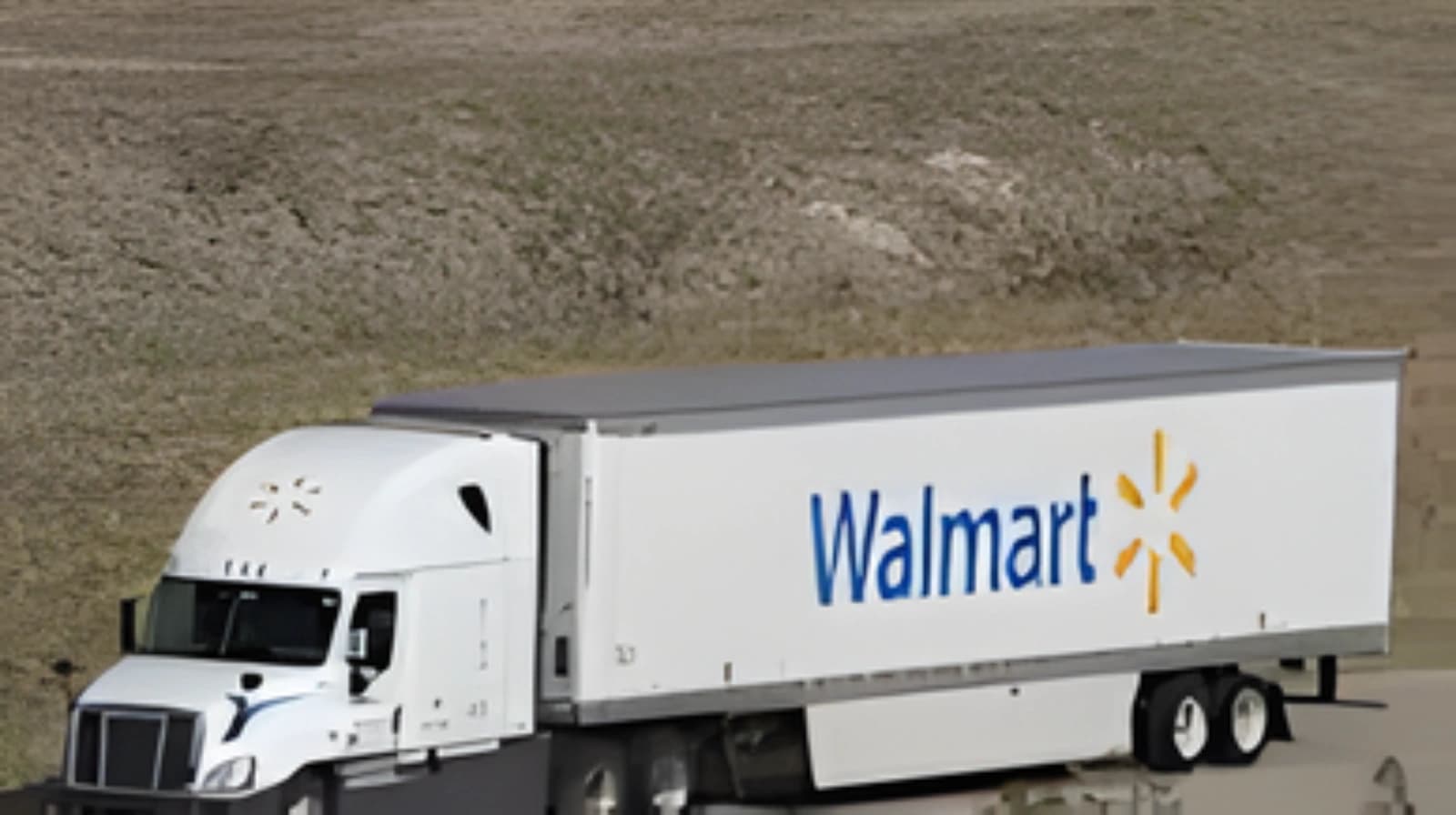
Walmart tackles the U.S. driver shortage by raising trucker pay to $115K and recruiting more women, doubling industry averages. Explore key benefits and impacts today.
Market Recap: Walmart’s Strategy Solves Driver Shortage
Walmart has successfully expanded its truck driver workforce by 33% over three years amid a critical U.S. driver shortage. With a new starting salary of around $115,000 and better work conditions, it’s attracting nontraditional candidates, including more women.
“Trucking companies will need more drivers, and they’ll have to attract them from nontraditional population cohorts,” says Paul Bingham, transportation director at S&P Global.
- Walmart increased starting pay from $87,000 to $115,000 in 2022.
- National median pay for truck drivers is $57,440 (2024 BLS data).
Will you consider Walmart trucker pay trends in your labor market analysis?
Why Walmart’s Pay and Perks Attract Drivers
Walmart offers regional routes ensuring drivers return home weekly. This contrasts with typical long-haul trucking, improving quality of life. Enhanced scheduling tech also reduces unexpected work hours.
A Walmart spokesperson notes these perks help retain drivers and improve job satisfaction.
- Drivers earn up to $135,000 annually.
- Consecutive days off and predictable schedules improve work-life balance.
Could improved scheduling incentives reshape recruitment in your portfolio companies?
Women’s Growing Role in Walmart’s Trucking Force
Women represent an estimated 18% of Walmart’s drivers, nearly double the 9.5% national average. Walmart’s 12-week training program helps store associates transition to driving roles, significantly increasing female participation.
According to Revelio Labs, Walmart even has a 5% oversupply of drivers versus demand.
- About 1,000 individuals have completed the Walmart driver training program.
- Women in trucking nationally remain underrepresented but slowly increasing.
Will expanding female driver recruitment be a competitive edge in trucking sectors you follow?
Broader Trucking Industry Outlook and Risks
The American Trucking Association forecasts a shortage of 160,000 drivers by 2028, pressured by retirements and low entry interest. Walmart’s model offers lessons for mitigating this risk.
Bingham warns, “Supply chain delays and cost increases can hit companies hard without enough drivers.”
- U.S. retail trucking demand exceeds supply by 7%.
- 25% of surveyed Americans refuse trucking regardless of pay.
Do you see potential risk for retailers reliant on trucking to consider alternative supply chain investments?
Top 5 Action Steps for Investors Tracking Trucking
- Monitor wage trends as indicators of labor supply stress.
- Watch companies expanding nontraditional hiring pools.
- Evaluate impact of scheduling tech on driver retention.
- Assess gender diversity as a competitive advantage.
- Track supply chain delays linked to trucker shortages.
This chart shows Walmart’s truck driver headcount growth compared to overall industry driver shortage projections, highlighting strategic workforce success.
Key Takeaways
- Walmart raised truck driver pay to $115K, boosting driver count 33%.
- Women now form 18% of Walmart drivers, nearly double the industry average.
- Improved schedules let drivers stay home weekly, enhancing job appeal.
- Broader U.S. trucking faces a 160K driver deficit by 2028.
- Investors should watch wages, hiring diversity, and supply chain impacts.
Poll Idea: How much more would you pay to attract and retain drivers in your logistics investments?
Calculator Suggestion: Estimate your portfolio’s exposure to trucking labor shortages and potential cost impact.
Disclaimer: This article is for informational purposes only and does not constitute investment advice. Please consult financial advisors before making investment decisions.
AI Model Verification
Sources Verified
Cross-referenced with multiple web sources
Integrity Reviewed
Content safety and quality checks passed
Fact-Checked
Verified by Buzz Insights AI protocols
Real-time Processing
Generated with latest available data