Social Media Age Restrictions: Spain’s Ban for Minors Sparks Global Debate
Social media age restrictions are under spotlight as Spain bans under-16s. Explore impacts on online safety, digital addiction, and global child protection trends.
Key Takeaways
- Spain implements a pioneering ban on social media access for users under 16.
- This move amplifies global concerns about digital addiction, AI risks, and child safety online.
- Age verification technology becomes central to enforcing regulations and combating harmful AI content.
- Governments worldwide, including India, consider similar restrictive policies.
Tech News Update: Revolutionizing Online Safety for Minors
Spain’s recent announcement to prohibit social media use by anyone under 16 marks a significant breakthrough in protecting children online. This bold move accelerates discussions globally, including in India, about the risks minors face and the need for stringent age restrictions.
Why this matters: The policy aims to curb digital addiction and mitigate exposure to AI-generated harmful content, reshaping how social platforms safeguard young users.
Spain’s Groundbreaking Age Restriction Policy
The digital landscape has long offered unrestricted social media access, often at the cost of child wellbeing. Spain now leads by legally raising the minimum age to 16 for social media accounts.
Analysis shows that early exposure to social platforms correlates strongly with increased rates of digital addiction and mental health challenges among youth. By setting a higher age bar, Spain hopes to foster healthier online habits.
- Minimum user age raised from 13 to 16 years.
- Legal mandate requires platforms to enforce age verification upon sign-up.
Will this change your tech habits or views on social media use for teens?
Age Verification Technology: The New Gatekeeper
Effective enforcement of age restrictions depends on robust verification systems. Innovations in AI-driven biometric and document authentication technologies offer scalable solutions.
Experts emphasize that reliable age verification can reduce false sign-ups by minors and help platforms comply with evolving government regulations aimed at child protection online.
- Integration of biometric checks, facial recognition, and document scanning.
- AI algorithms designed to flag suspicious or underage profiles promptly.
What’s your take on privacy vs safety when it comes to age verification?
Combatting AI-Generated Harmful Content
Modern social media algorithms increasingly generate or propagate harmful content impacting young users’ mental health. Spain’s policy indirectly addresses this by limiting exposure through age restrictions.
Specialists stress that restricting access alleviates minors’ risk from AI-manipulated misinformation, cyberbullying, and exploitative advertising.
- AI monitoring tools for spotting harmful content patterns.
- Limits on personalized content targeting minors based on AI analysis.
Do you think restricting age access effectively tackles harmful AI content?
Global Implications and India’s Possible Path
Following Spain’s lead, India and other nations are actively debating similar social media bans or stricter age-based regulations to safeguard children.
Policy makers and industry leaders recognize the complex balance between youth digital inclusion and protecting against digital addiction and online abuse.
- Discussions in India on implementing nationwide social media age limits.
- Increased focus on governmental oversight and platform accountability.
Are you optimistic about global regulatory efforts for child online safety?
Key Features: Social Media Age Restriction Innovation
- Heightened minimum user age (16 years) now enforced by law.
- Advanced AI and biometric age verification tools.
- Enhanced monitoring to detect AI-generated harmful content.
- Government-driven regulations shaping platform policies.
- Increased focus on digital addiction and mental health impacts.

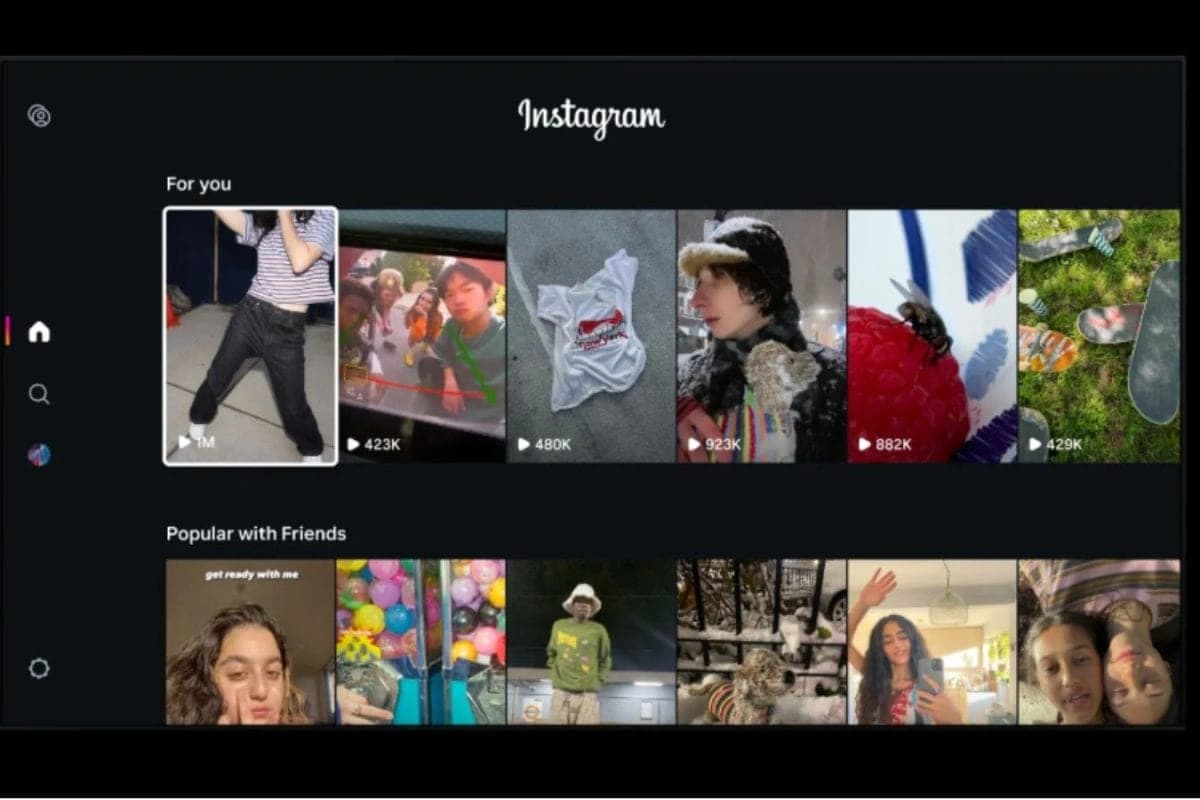
Illustration of social media age restriction enforcement highlighting Spain’s new under-16 ban as part of global child online safety measures.
As governments worldwide progressively tackle growing digital risks to minors, technology must evolve to balance user privacy, security, and safety. Spain’s pioneering ban underscores an urgent global trend toward protecting the youngest digital citizens from unchecked online exposure.
Stay tuned for emerging developments in social media regulation and next-generation age verification technologies that promise to redefine child protection online.
AI Model Verification
Sources Verified
Cross-referenced with multiple web sources
Integrity Reviewed
Content safety and quality checks passed
Fact-Checked
Verified by Buzz Insights AI protocols
Real-time Processing
Generated with latest available data