Microsoft AI Automation: White-Collar Jobs Face Full AI Integration in 18 Months
Microsoft AI chief Mustafa Suleyman warns that AI could automate most white-collar jobs within 18 months. Discover the impact of professional-grade AGI and AI model creation advances.
Key Takeaways
- Microsoft plans to automate most white-collar jobs within 12 to 18 months using advanced AI.
- Development of professional-grade AGI will automate routine knowledge work efficiently.
- AI model creation will become as accessible as creating digital content.
- Microsoft aims for AI self-sufficiency with new in-house AI models by 2026.
- Future AI agents will manage complex workflows in large organizations.
Microsoft AI Automation: White-Collar Jobs Face Full AI Integration in 18 Months
Innovation Spotlight: Microsoft AI chief Mustafa Suleyman has revealed a groundbreaking timeline for artificial intelligence to automate the majority of white-collar jobs. This technology shift promises revolutionary changes in how enterprises operate and how knowledge workers perform their daily tasks.
Professional-Grade AGI Targets White-Collar Automation
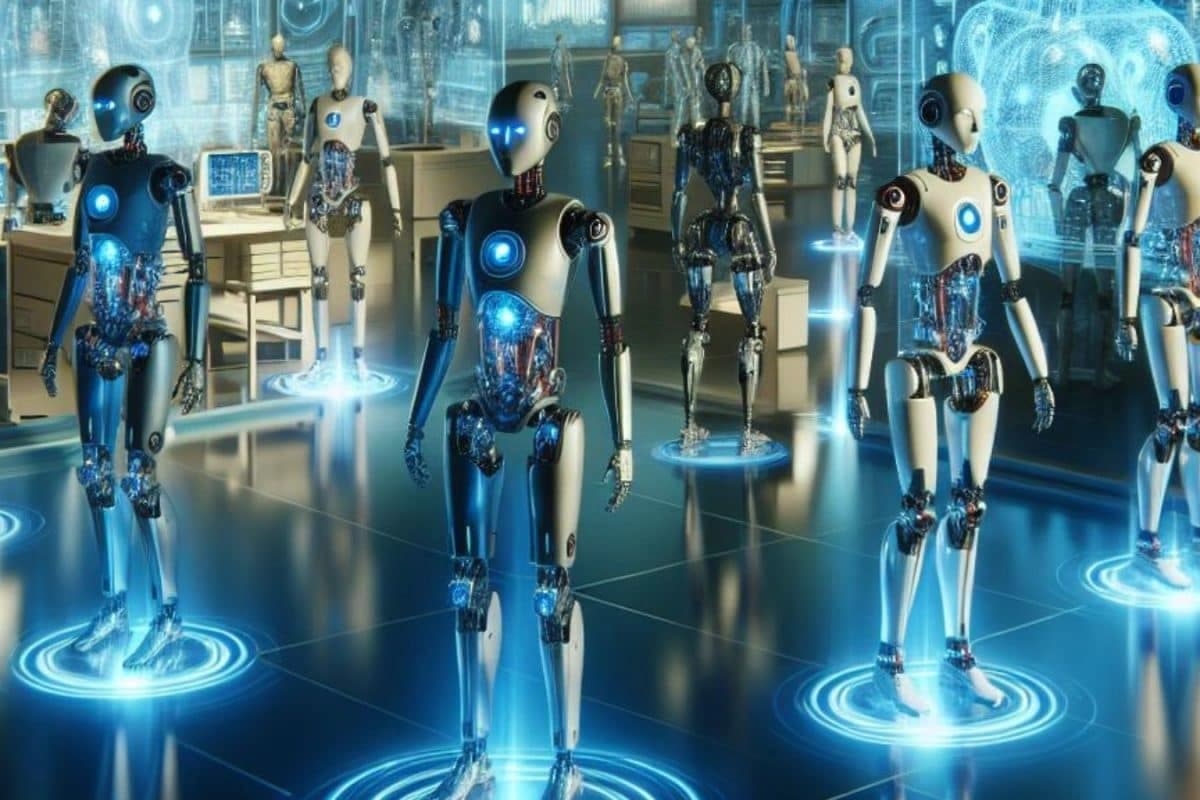
Microsoft aims to deploy "professional-grade AGI"—AI systems capable of performing nearly every task a human professional can handle. This is a major leap beyond narrow AI tools, set to disrupt industries relying on knowledge work.
Suleyman emphasizes that roles such as lawyers, accountants, and project managers will see routine tasks fully automated within 18 months. This will enable companies to cut costs and increase efficiency dramatically.
- Key Specs:
• Capable of complex decision-making and professional tasks
• Designed for enterprise scalability and integration
Will this reshape your career or workplace dynamics? Share your thoughts on this rapid AI evolution.
Simplifying AI Model Creation for Every User
Building AI models is no longer the domain of specialized engineers. Suleyman compares future AI model development to creating a podcast or blog post, suggesting that tailored AI systems will become accessible to organizations and individuals alike.
This democratization will accelerate adoption, allowing more businesses to customize AI to their unique workflows without heavy technical barriers.
- Key Features:
• Intuitive interfaces for AI model development
• Reduced complexity and need for coding expertise
Could easier AI creation tools empower your team to build custom workflows? What impact do you foresee?
Workforce Overhaul: AI-Driven Efficiency Gains
The expected automation focus is primarily on knowledge workers who spend most of their day on computers. Suleyman warns that this sweeping change will transform traditional office roles, pushing companies to rethink workforce management.
Experts predict this will lead to significant shifts in job descriptions and employee roles.
- Pro Specs:
• Automation of routine and repetitive computer-based tasks
• Potential integration with existing enterprise systems
Are you prepared for such workforce disruptions? How can organizations balance innovation with employment concerns?
Microsoft’s Path to AI Self-Sufficiency
Following an update in collaboration terms with OpenAI, Microsoft plans to accelerate the development of its proprietary AI models. The goal is to achieve "true AI self-sufficiency" with in-house models debuting as soon as 2026.
This move underpins greater control over AI capabilities and aligns with Microsoft's enterprise strategy.
- Technical Milestones:
• Reduced dependence on external AI providers
• Introduction of novel AI architectures within two years
What does Microsoft’s AI independence mean for the broader AI ecosystem? Discuss the potential advantages and risks.
Innovation Highlights:
- Professional-grade AGI for enterprise use.
- AI-driven automation of majority white-collar tasks.
- Simplified AI model creation akin to content production.
- AI agents managing workflows in large institutions.
- Microsoft's strategic focus on in-house AI development.

Image Caption: Microsoft AI chief Mustafa Suleyman discusses how professional-grade AGI will transform white-collar workforce automation by 2025. – Source: Microsoft
As AI technologies advance rapidly, staying informed and adaptive will be critical. Looking forward, expect new releases to further enhance AI accessibility and workplace integration, confirming Microsoft's status as a transformative AI leader.
AI Model Verification
Sources Verified
Cross-referenced with multiple web sources
Integrity Reviewed
Content safety and quality checks passed
Fact-Checked
Verified by Buzz Insights AI protocols
Real-time Processing
Generated with latest available data