EU Sanctions Impact on Russias Shadow Fleet: 70% Drop in Oil Transport
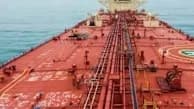
Explore how EU sanctions disrupt Russia’s shadow fleet oil tankers like Mikati, causing up to 70% productivity drops—insights for investors navigating energy markets.
EU Sanctions Disrupt Russia's Shadow Fleet Operations: What Investors Should Know
The EU's sanctions on Russia's shadow fleet, including vessels like the oil tanker Mikati, reveal both significant disruptions and persistent loopholes impacting global energy markets. Understanding these developments is essential for investors in the oil and shipping sectors.
Disclaimer: This article provides market insights and is not financial advice.
Why the Mikati Tanker was Sanctioned
The Mikati, a 58,000-ton vessel built in 2003, was blacklisted by the EU in July 2023 due to signs of sanction evasion, including multiple name and flag changes and disabling AIS transponders — a risky practice typically banned except in special cases.
"Sierra Leone's government outsourced its ship registry management, making it a preferred flag for shadow fleet vessels," explains maritime analyst Michelle Bockmann.
- Sanctioned in EU’s 18th package against Russia on July 18, 2023
- Engaged in frequent identity and ownership shifts to evade detection
Will you consider how opaque ownership affects sanction risks in your portfolio?
Impact of EU Sanctions on Oil Transport Efficiency
While the Mikati continued operating post-sanction, it faced delays and reduced cargo operations. It paused off India for 11 days, likely due to insurance issues after sanctions.
Economist Benjamin Hilgenstock notes, "Our data shows the Mikati's ability to carry Russian oil dropped by about 73% following sanctions."
- EU sanctions cause ~30% decline in ship productivity
- US OFAC sanctions yield ~70% average decline, showing higher effectiveness
Does this disruption signal a buying opportunity in alternative energy stocks?
Shadow Fleet's Evasive Tactics Threaten Sanctions' Effectiveness
The shadow fleet employs tactics like ship-to-ship (STS) oil transfers and turning off AIS signals to circumvent restrictions. Mikati's extended loitering near Chinese ports and frequent registry swaps illustrate these evasive efforts.
"Sanctioned vessels must operate between Russia and limited markets like India or China, causing efficiency losses," says kpler analyst Panagiotis Krontiras.
- STS transfers are legal but facilitate sanctions evasion
- Long ballast legs reduce profitability and sustainability
How will these evasive tactics alter your risk assessment of maritime investments?
EU vs. US Sanctions: Comparing Enforcement Strengths
EU sanctions cover around two-thirds of Russia’s shadow fleet, while US sanctions target fewer vessels but yield larger operational declines.
EU Sanctions Envoy David O’Sullivan concedes, "Sanctions are always leaky, but recent data confirms strong operational impacts."
- EU sanctions ship productivity downturn: ~30%
- US sanctions ship productivity downturn: ~70%
Will you watch for potential shifts in sanction policies affecting global shipping?
Action Steps: Navigating Risks & Opportunities
- Monitor vessel ownership and AIS activity for sanction evasion signs
- Assess exposure to regions tolerating sanctioned vessel trades, like parts of India and China
- Consider alternative energy investments amid reduced Russian oil export volumes
- Follow updates on EU and US sanctions enforcement for timely portfolio adjustments
- Evaluate insurance and compliance risks linked to maritime transport
How might these action steps influence your next investment moves?
Key Takeaways
- EU sanctions significantly reduce the operational capacity of Russian shadow fleet oil tankers like Mikati.
- Sanction avoidance tactics continue to undermine full enforcement, limiting sanctions’ teeth.
- US sanctions show greater effectiveness but cover fewer vessels.
- Investors should monitor maritime compliance data and regional exposure in energy markets.
- Adjusting portfolios to reflect sanction impacts and alternative energy trends is advised.
Chart: Productivity Decline in Sanctioned Russian Oil Tankers by Regime
This chart illustrates a 30% productivity drop under EU sanctions versus a 70% drop under US OFAC sanctions, highlighting enforcement disparity in disrupting Russia’s shadow fleet.
AI Overview
- Examines EU sanctions’ impact on Russia’s shadow fleet oil tanker operations
- Highlights Mikati case demonstrating behavioral and operational changes post-sanction
- Compares EU and US sanction effectiveness using maritime analytics
- Explores evasive tactics like ship-to-ship transfers and registry changes
- Provides actionable insights for investors in global energy and shipping markets
AI Model Verification
Sources Verified
Cross-referenced with multiple web sources
Integrity Reviewed
Content safety and quality checks passed
Fact-Checked
Verified by Buzz Insights AI protocols
Real-time Processing
Generated with latest available data